Advancements in CFET Technology Promise Faster, Smaller, and More Reliable Semiconductor Transistors
July 21, 2026
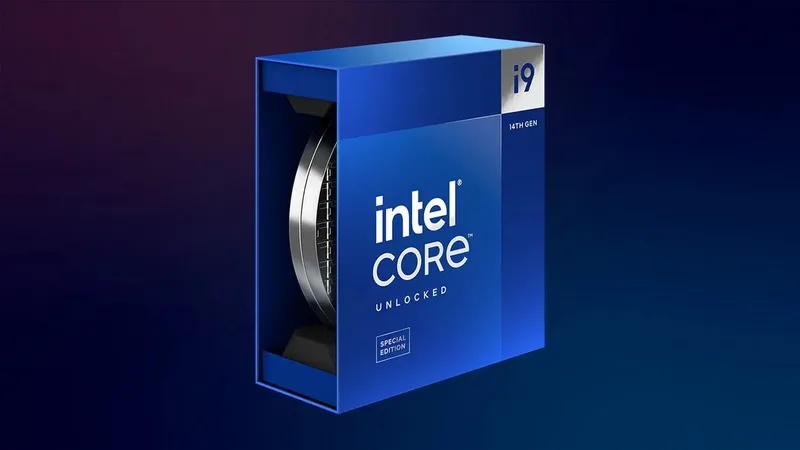
Intel has announced that it will maintain the production of its 14th-generation Core processors, known as Raptor Lake Refresh, alongside the corresponding 700-series chipsets for motherboards. This decision aims to ensure the ongoing availability of the LGA 1700 platform in the desktop market.
The continued manufacture of these processors comes as the industry grapples with ongoing DDR5 memory supply constraints. The shortage of DDR5 modules has impacted the adoption of newer platforms demanding faster memory, complicating the transition away from older memory standards.
By sustaining production of the Raptor Lake Refresh CPUs and compatible chipsets, Intel seeks to offer a reliable hardware ecosystem for consumers and system builders. This move provides a practical response to the current memory scarcity by allowing users to continue leveraging existing hardware that is compatible with both DDR4 and DDR5, depending on the motherboard design.
Raptor Lake Refresh processors are designed for the LGA 1700 socket and support both DDR4 and DDR5 standards, depending on the motherboard. With DDR5 availability limited and often at a premium, many users and manufacturers still rely heavily on DDR4 configurations.
Intel’s strategy appears focused on bridging the gap until DDR5 memory production and supply stabilize more broadly in the market. By not prematurely halting the production of current-generation CPUs and chipsets, the company ensures that the platform remains accessible and sustainable for a wider range of users through the memory shortage period.
While the industry continues its shift toward DDR5 as the new standard for PC memory, the interim measures reflected in Intel’s decision highlight the practical challenges that come with transitions in hardware technology. The sustained production of Raptor Lake processors and 700-series chipsets provides continuity for desktop PC builders and end users affected by the memory supply fluctuations.
Pricing and exact production volume details have not been disclosed, but the commitment signals Intel’s attentiveness to market conditions and user needs in a rapidly changing technology environment.
Intel will keep manufacturing 14th-gen Raptor Lake processors and 700-series chipsets to support LGA 1700 platforms during DDR5 memory shortages.