App Store Sees Surge in New Apps Amid Growth of No-Code Platforms in Early 2026
July 21, 2026
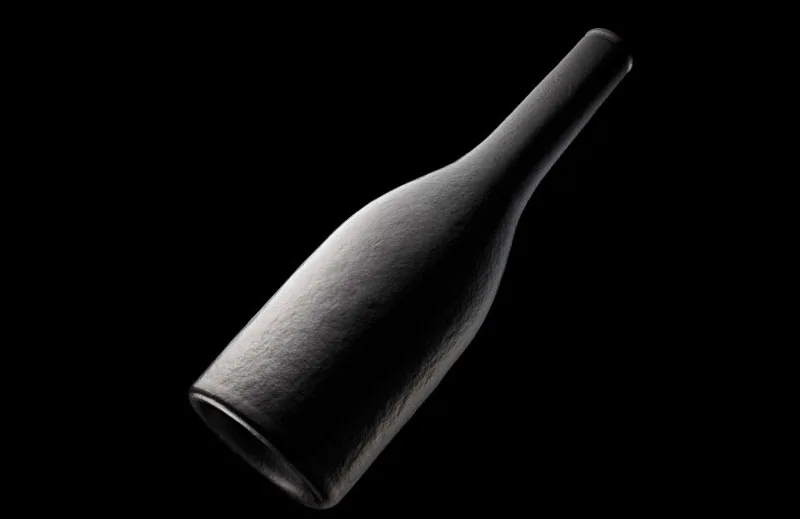
In a groundbreaking advancement for space biotechnology, Japanese corporations have accomplished the first-ever fermentation of sake ingredients in Earth’s orbit. This milestone was reached through a collaboration between Dassai, a prominent sake producer, and the industrial conglomerate Mitsubishi Heavy Industries.
The fermentation experiment, conducted aboard a spacecraft orbiting the planet, marks an unprecedented step in the cultivation and production of traditional Japanese alcoholic beverages in microgravity conditions. This achievement serves as a proof of concept with implications for future manufacturing techniques beyond Earth.
The successful fermentation in space forms part of a broader initiative aimed at eventually producing sake directly on the lunar surface. Such an ambition reflects growing interest in leveraging space environments for biotechnological and food production applications, which could support long-term human presence beyond Earth.
While specific technical details about the fermentation process carried out in orbit have not been extensively disclosed, the joint effort highlights innovative approaches to adapting traditional processes within the unique conditions of space. Microgravity poses significant challenges for biochemical reactions like fermentation, making the success of this experiment particularly notable.
Following the orbital fermentation, a sample of the space-brewed sake was brought back to Earth and subsequently sold for approximately $689,000 per serving, signaling both the novelty and value placed on this extraterrestrial achievement.
Industry observers see this development as a step forward in integrating space-based production with cultural and commercial interests. It also illustrates the potential for traditional industries to evolve through space technology, setting the stage for similar efforts in other food and beverage sectors.
The initiative underscores Japanese corporations’ commitment to pioneering biotechnological innovations in space, potentially opening new markets and experiences connected to extraterrestrial manufacturing. The long-term goal of lunar sake production aligns with broader ambitions to develop sustainable and self-sufficient human activities on the Moon.
As space missions and infrastructure continue to expand, such biotechnological experiments will likely become more common, offering fresh possibilities for enhancing life-support systems, nutrition, and commercial ventures in space environments.
Japanese companies have successfully conducted sake fermentation in orbit, marking a milestone in space biotech with future lunar production plans.