App Store Sees Surge in New Apps Amid Growth of No-Code Platforms in Early 2026
July 21, 2026
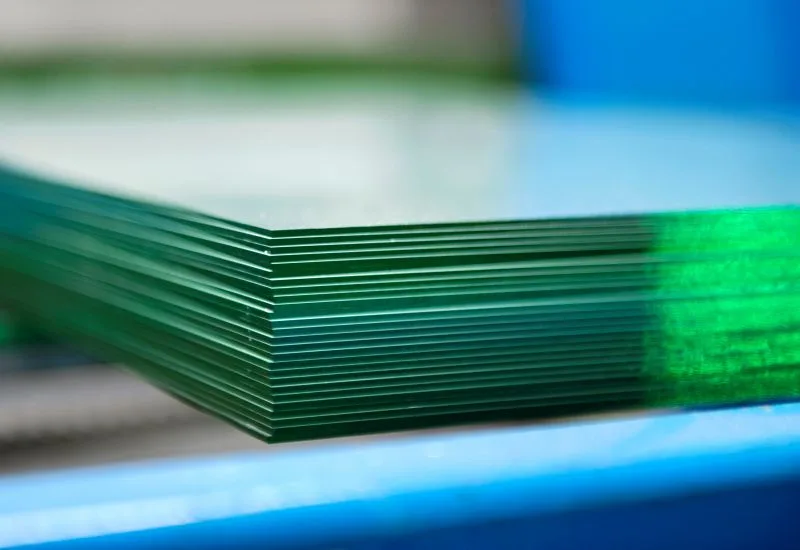
The ongoing surge in artificial intelligence technologies has created ripple effects across various global industries, including supply chains for critical infrastructure components. Amid these shifting dynamics, two prominent Japanese glass manufacturers, Asahi Kasei and Nitto Boseki, are strategically expanding their product lines to address demands arising from the AI sector.
The current shortage of components essential to the infrastructure supporting artificial intelligence has presented both obstacles and opportunities within the market. While this deficit has slowed some segments of the AI supply chain, it has simultaneously opened avenues for companies in adjacent industries to develop materials and technologies that can fill emerging gaps.
Japanese glass producers Asahi Kasei and Nitto Boseki have taken note of these developments. Recognizing an opportunity to capitalize on the increased need for specialized materials within AI infrastructure, both companies are expanding their offerings to include glass products specifically designed to meet AI-related requirements. This move represents a strategic adaptation intended to leverage the ongoing AI boom despite broader supply challenges.
Glass components play a vital role in various AI hardware applications, particularly in optics and semiconductor sectors. As demand for more advanced and efficient AI systems grows, suppliers capable of providing high-performance glass materials gain importance in the manufacturing ecosystem involved in AI infrastructure development.
Although the specific new product details have not been fully disclosed, the expansion efforts by Asahi Kasei and Nitto Boseki highlight the dynamic nature of industries impacted by AI technology advancements. By positioning themselves within this evolving market, these manufacturers aim to harness growth opportunities presented by the increasingly AI-driven technological landscape.
This strategic pivot exemplifies how companies facing challenges due to component shortages can innovatively adapt their products and services to align with emerging market demands. Such proactive realignments not only enable continued business growth but also contribute to bolstering the overall supply chain essential to the AI ecosystem’s future evolution.
As the AI industry continues to mature, the roles of materials science and component innovation will remain critical. Through expanded product offerings tailored to AI infrastructure, Japanese glass makers are seeking to establish a stronger foothold in this cutting-edge technology sector, addressing market needs created by wider technological transformations.
Japanese glass producers Asahi Kasei and Nitto Boseki explore new opportunities in AI amid global infrastructure component shortages.