European Automakers Warn EU’s Push for Tech Sovereignty Could Raise Consumer Costs
June 23, 2026
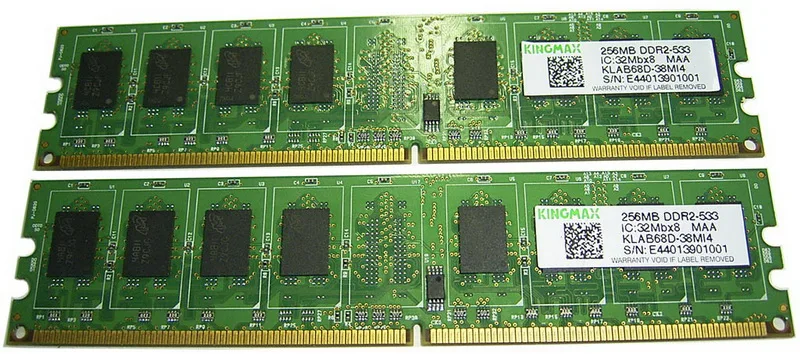
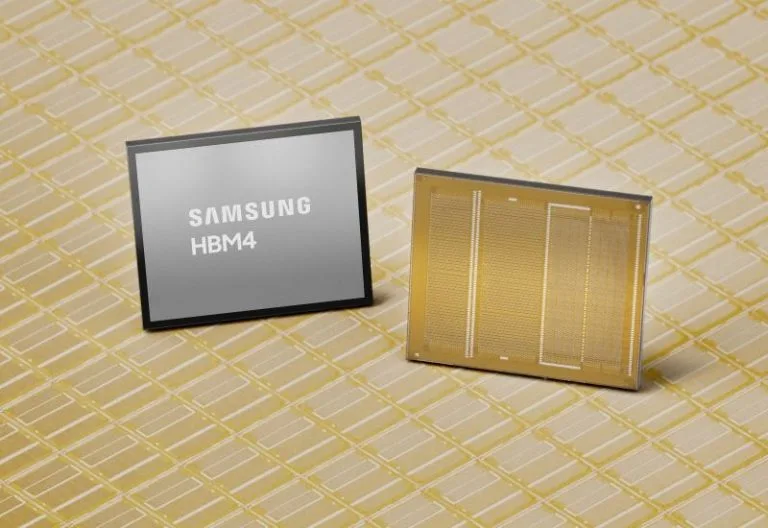
Recent data from TrendForce highlights a notable shift in the memory market as shortages of DRAM chips produced using mature manufacturing processes drive renewed interest in older memory standards, specifically DDR2 and DDR3 modules.
The semiconductor industry continues to grapple with supply chain challenges, particularly affecting dynamic random-access memory (DRAM) components manufactured on older, well-established fabrication technologies. These shortages have left many electronics manufacturers seeking alternative solutions to fulfill production needs, including turning back to memory technologies that had largely been phased out.
DDR2 memory, first introduced over two decades ago, and DDR3, its successor, have historically been considered obsolete in many applications. However, the current supply bottlenecks are causing a resurgence in demand for these older memory types. This increased attention has driven prices higher, marking a rare market phenomenon where two-decade-old technology experiences renewed commercial viability due to external supply pressures.
The revival of DDR2 and DDR3 for contemporary electronic devices is largely a stopgap measure as manufacturers adapt to the ongoing scarcity of newer, more advanced DRAM modules. While not matching the performance of the latest memory standards, DDR2 and DDR3 remain functional for certain legacy systems and budget-conscious designs, especially when cutting-edge memory is unavailable or prohibitively expensive.
This shift underscores the fragility of the memory supply chain and highlights the complexity manufacturers face in balancing performance demands against component availability. It also illustrates how disruptions in modern semiconductor fabrication can ripple back, influencing the relevance and market prices of previously outdated technologies.
Industry analysts continue to monitor how these shortages and resulting price fluctuations in mature DRAM segments will impact broader electronics manufacturing trends and consumer markets in the near term.
A shortage in DRAM manufacturing capacity triggers renewed demand and rising prices for legacy DDR2 and DDR3 memory modules.