
Nvidia CEO Jensen Huang to Celebrate Sega’s 30th Anniversary in Japan
July 12, 2026
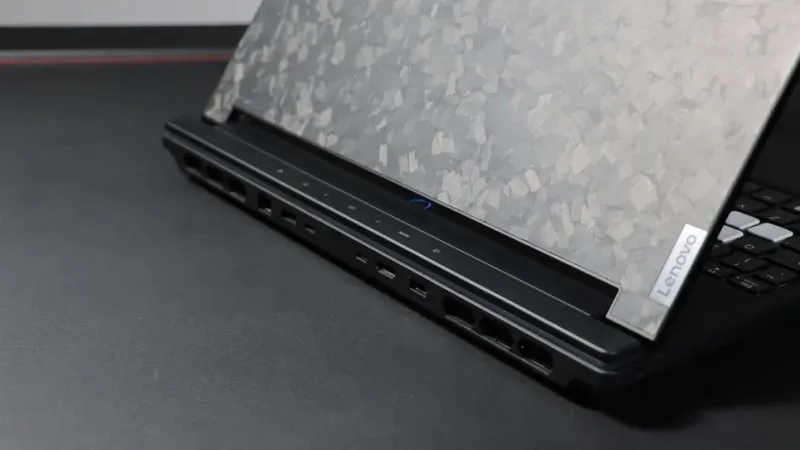
Lenovo has incorporated solid-state drives (SSDs) from Chinese manufacturer Yangtze Memory Technologies Corp. (YMTC) into its newest ThinkBook laptops, signaling notable shifts in the global memory component market. The integration occurs amid widespread challenges caused by an ongoing global shortage of memory chips, which continues to disrupt electronics production and sourcing strategies.
The new Lenovo ThinkBook 14 G9 IPL series features SSDs sourced from YMTC rather than the more commonly seen suppliers such as Samsung, Western Digital, or Kioxia. This development highlights how global supply constraints are opening doors for emerging memory manufacturers to establish themselves in mainstream consumer electronics.
YMTC, a prominent Chinese memory technology company, has been steadily advancing its NAND flash memory production capabilities. By becoming a supplier for Lenovo’s latest devices, YMTC marks a significant step toward increasing its footprint in international markets, particularly in the competitive laptop storage segment.
The global shortage of memory chips, driven by a complex mix of supply chain disruptions and heightened demand, has pressured laptop manufacturers to diversify their supplier base. This dynamic has encouraged some companies to widen their component sourcing beyond traditional leaders in the semiconductor industry. Lenovo’s decision to incorporate YMTC-built SSDs in the ThinkBook 14 G9 IPL line appears to be a reflection of this broader industry trend.
While YMTC SSDs have been previously available in certain domestic markets, their appearance in Lenovo’s globally distributed laptops underscores the gradual acceptance and reliability of Chinese memory products on the world stage. It further indicates that manufacturers are exploring alternative supply options to mitigate risks associated with scarcity and geopolitical challenges.
Lenovo’s move also reflects the evolving landscape of global electronics production, where emerging players like YMTC are gaining traction. The company’s commitment to improving NAND technology, combined with increased manufacturing capacity, positions it as a viable contender in SSD supply chains going forward.
Details regarding the specific SSD models, storage capacities, or performance metrics of the YMTC drives used in the ThinkBook 14 G9 IPL have not been publicly disclosed. Additionally, there is no official information about whether YMTC drives will become a standard offering across other Lenovo product lines.
Nevertheless, the inclusion of YMTC SSDs in prominent laptops from a major global manufacturer like Lenovo marks an important milestone. It not only reflects shifting dynamics in the semiconductor industry but also signals a diversification trend likely to continue as memory chip shortages and geopolitical factors influence sourcing decisions.
As the semiconductor market continues to evolve, the role of companies like YMTC in supplying critical components to mainstream electronics will be closely watched by industry analysts and consumers alike.
Lenovo’s latest ThinkBook 14 G9 IPL laptops now include SSDs from Chinese firm YMTC as chip shortages reshape the supply chain landscape.