
App Store Sees Surge in New Apps Amid Growth of No-Code Platforms in Early 2026
July 21, 2026
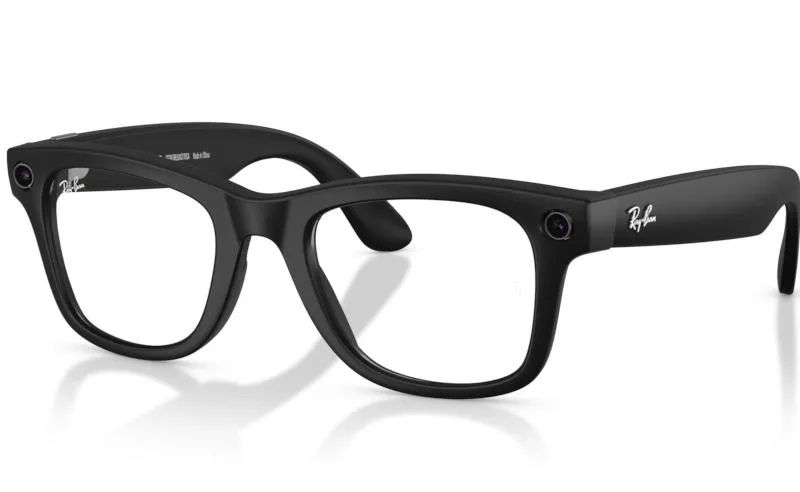
Meta has reportedly ended its contract with Kenyan company Sama in the wake of a privacy controversy involving videos recorded by Ray-Ban smart glasses. The decision follows allegations from Sama workers who said they were required to annotate highly sensitive and confidential video footage as part of their job.
Sama, which operated as a subcontractor for Meta, handled the task of describing and tagging materials captured by the social media giant’s smart eyewear. In February, employees brought forward concerns that the nature of the video content they were exposed to was excessively private and uncomfortable to process.
After being informed of these issues, Meta took approximately two months before officially severing ties with the Kenyan firm. The move was discovered through investigative reporting by the BBC, highlighting the challenges large tech companies face in managing data annotated by outsourced teams across the globe.
The Ray-Ban smart glasses, developed in partnership with Meta, incorporate recording capabilities designed to capture video on the go. While this technology offers novel features for users, it has also raised questions about how sensitive visual data is handled behind the scenes.
Meta’s use of third-party contractors like Sama for annotation and quality review is common practice in AI and machine learning development. However, this incident has brought renewed scrutiny to the ethical responsibilities and safeguards around data privacy, especially when outsourced teams work in vastly different regulatory environments.
Details about the contractual terms and how the content was managed have not been publicly disclosed. Meta has also not commented specifically on the termination or the conditions under which employees were operating.
This development adds to a growing list of privacy and ethical challenges confronting companies integrating artificial intelligence and smart devices into consumer products. The incident underscores the importance of transparency and rigorous oversight in every stage of data processing.
As wearable technology continues to advance, questions remain about how user-generated content is stored, reviewed, and annotated without compromising individual privacy. Meta’s response sets a precedent for how technology firms might respond to similar concerns in the future.
The broader implications for AI data handling may prompt more comprehensive guidelines and regulatory frameworks internationally, especially regarding subcontracted labor in sensitive tech domains.
Meta has quietly terminated its contract with Kenyan firm Sama following reports of sensitive video content reviewed from Ray-Ban smart glasses.