Intel Initiates New Round of Layoffs in Data Center Group Amid Efficiency Drive
July 21, 2026
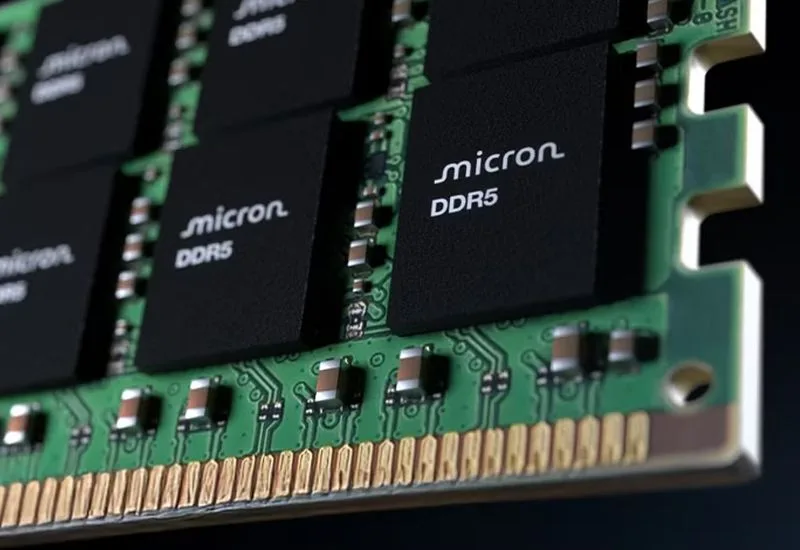
Micron Technology is facing ongoing challenges in meeting the full market demand for memory products. According to statements from CEO Sanjay Mehrotra, the company’s current production levels satisfy between 50 and 67 percent of the total need for memory components, highlighting a significant shortfall in supply.
This supply gap has prompted Micron to consider raising its capital expenditures in an effort to boost production capacity. While this strategic commitment signals the company’s intent to address the shortage, it follows a recent dip in its stock price, reflecting investor concerns regarding the impact of increased spending and the time required to scale manufacturing capabilities.
The semiconductor industry continues to grapple with fluctuating demand and supply imbalances, and memory components remain a critical bottleneck in several technology sectors. Micron’s acknowledgment of its current inability to fully match market demand underscores broader challenges in expanding production swiftly enough to keep pace with customer needs.
Although specific details about the scale of the increased capital investments have not been disclosed, Micron’s approach focuses on enhancing output to reduce the gap between demand and supply. The move is part of a larger trend among memory manufacturers to invest in capacity upgrades, aiming to stabilize the supply chain and better serve technology markets reliant on these components.
Industry watchers will be closely monitoring how Micron’s planned capital expenditures translate into actual production gains and whether these efforts can alleviate the memory shortage. The company’s stance reflects an ongoing commitment to adapt production levels while balancing financial implications in a competitive and rapidly evolving sector.
Micron currently meets only up to two-thirds of memory demand, prompting plans for increased capital investments to address supply shortages.