
Vivo X300 E Launches Soon with Zeiss Optics and Massive 7200mAh Battery
July 20, 2026
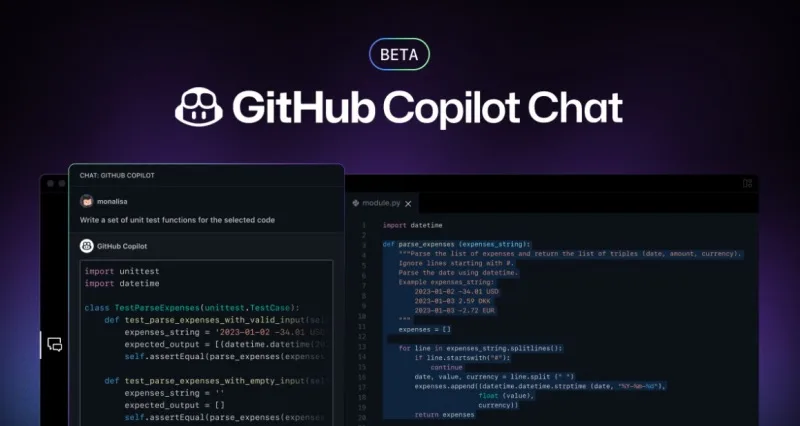
Microsoft has announced a significant change to the payment structure of its AI-powered coding assistant, GitHub Copilot. Moving away from the traditional fixed subscription fee, the company is transitioning to a token-based billing system. This adjustment means users will now be charged based on the volume of tokens consumed during use rather than paying a predictable monthly or annual rate.
The payment overhaul represents a notable shift for GitHub Copilot, which has been widely adopted by developers and organizations for its ability to streamline coding workflows through AI-generated suggestions. While large corporations with substantial budgets are expected to absorb the new costs, smaller companies and individual developers are voicing concerns about the potential financial impact.
Under the new model, the cost of using GitHub Copilot could vary significantly depending on the intensity of token usage. This variability contrasts with the prior fixed subscription approach, which allowed users to anticipate expenses without variability. There is apprehension that this system could lead to unexpectedly high bills, particularly for smaller firms that rely on GitHub Copilot but operate with limited financial flexibility.
Microsoft has yet to disclose detailed pricing specifics or thresholds that define token usage costs, leaving some uncertainty regarding the extent of possible increases. The company aims to align payment more closely with actual service consumption, but this recalibration may disrupt budgeting for many users accustomed to steady, predictable fees.
The decision reflects broader industry trends where software-as-a-service providers increasingly adopt usage-based pricing models to better scale revenue with user engagement. However, GitHub Copilot’s popularity among independent developers and startups raises questions about whether the token-based system could hinder accessibility for these groups.
Reaction within the developer community has been mixed. While some acknowledge that token-based billing could encourage more mindful usage and potentially optimize costs for light users, the concern remains over possible cost spikes for workloads that involve extensive AI assistance.
For now, businesses and developers relying on GitHub Copilot will need to re-evaluate their usage patterns and financial planning to adapt to this new billing framework. How this shift will influence the broader adoption of AI-assisted development tools remains to be seen as token usage patterns and pricing details become clearer.
Microsoft shifts GitHub Copilot from subscription to token-based billing, raising concerns among small businesses and individual users over potential cost increases.