App Store Sees Surge in New Apps Amid Growth of No-Code Platforms in Early 2026
July 21, 2026
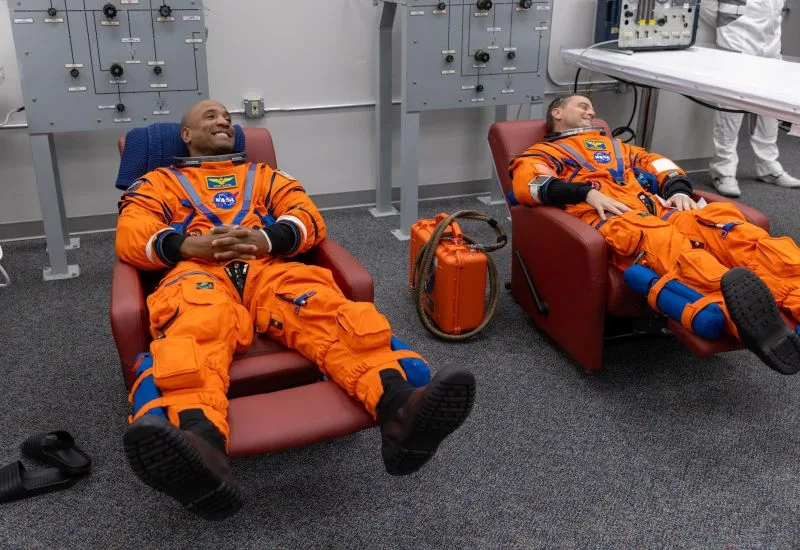
NASA has authorized astronauts participating in the Artemis II mission to bring Apple iPhones onboard during their lunar journey, marking a new step in the integration of consumer technology in space travel.
Historically, NASA has not widely permitted personal electronic devices like smartphones during crewed space missions, favoring custom-built equipment designed to withstand the harsh conditions of space. However, the Artemis II mission has introduced a noticeable shift, with confirmation that a silver iPhone was present during the early hours of this lunar expedition.
Initial reports about on-board technology hinted at the inclusion of functional tablets used by the astronauts, which came into the spotlight following an issue with the Outlook email client. This problem pinpointed the existence of operational devices with capabilities beyond traditional mission tools, implicitly confirming that Apple smartphones were allowed on board.
The decision to include iPhones as part of the astronauts’ kit reflects evolving mission requirements and the increased role of commercial off-the-shelf technology in space operations. Smartphones offer a familiar interface for communication, data management, and multimedia applications, providing astronauts with additional resources during long-duration expeditions beyond Earth orbit.
While precise details about the specific models or configurations of these devices have not been disclosed, their presence represents a significant milestone in how electronic devices are utilized in human spaceflight. The integration of such technology may enhance operational efficiency and improve communication channels between crew members and mission control.
As the Artemis program continues to develop, incorporating consumer electronics like iPhones could become more common, potentially enhancing astronaut experience and mission adaptability. The use of familiar, commercially available devices also suggests a broader trend towards leveraging existing technology ecosystems in space missions.
Further updates on the role and performance of these smartphones during the Artemis II mission are awaited as NASA continues to explore innovative solutions for human space exploration.
For the first time, NASA astronauts aboard Artemis II are permitted to carry Apple iPhones during their lunar mission.