Anthropic Faces Lawsuit Over Disputed Usage Limits on Premium Claude AI Plans
June 16, 2026
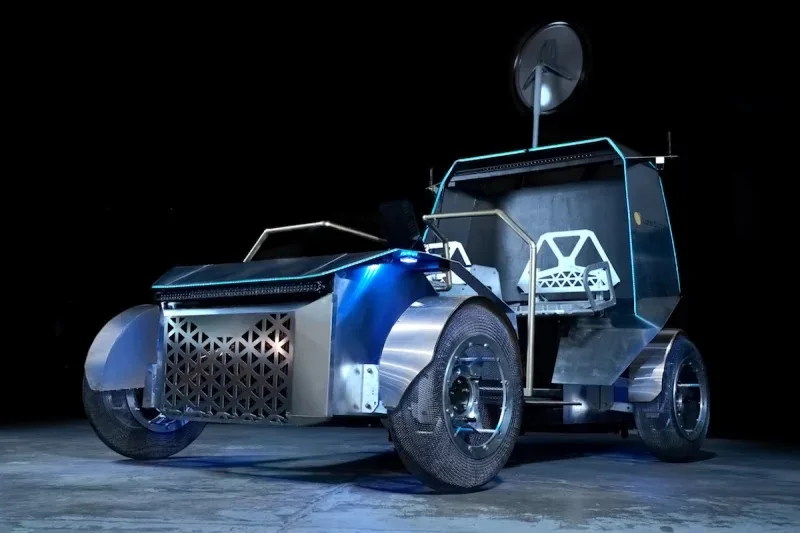
NASA has revealed a new rover named Pegasus designed to facilitate mobility across the challenging terrain of the moon’s south pole. This development is part of a broader initiative to establish a permanent human presence in that region.
The agency’s long-term vision includes a lunar base that spans extensive areas, measuring in the hundreds of square miles. Effective transportation and mobility solutions are crucial for maintaining operations, conducting scientific research, and supporting the infrastructure of this future settlement.
Pegasus is one of two rovers introduced by NASA to operate directly on the moon’s surface. The rover will play a vital role in connecting distant points within the settlement’s footprint, enabling personnel and equipment to traverse the rugged and unpredictable lunar environment. Mobility on the moon’s south pole presents unique challenges, including extreme cold, uneven surfaces, and limited sunlight, all of which Pegasus is engineered to withstand.
Though NASA has provided details about the role Pegasus will fulfill, specifics related to the rover’s technical specifications, deployment timeline, and operational capabilities have not been extensively detailed. What remains clear is that mobility technology like Pegasus will be essential in realizing NASA’s goal of a fully functioning lunar base.
The planned lunar settlement aims to serve a variety of purposes, from scientific research into lunar geology and the solar system to establishing technologies and infrastructure needed for sustained human presence beyond Earth. Efficient and reliable surface transportation will be fundamental in ensuring the success and sustainability of these endeavors.
As NASA continues to develop new technologies for its lunar missions, vehicles like Pegasus stand at the forefront of innovation, paving the way for expanded exploration and utilization of the moon as a stepping stone for future space exploration.
NASA introduces the Pegasus rover as part of its effort to support extensive mobility for the planned lunar south pole settlement.