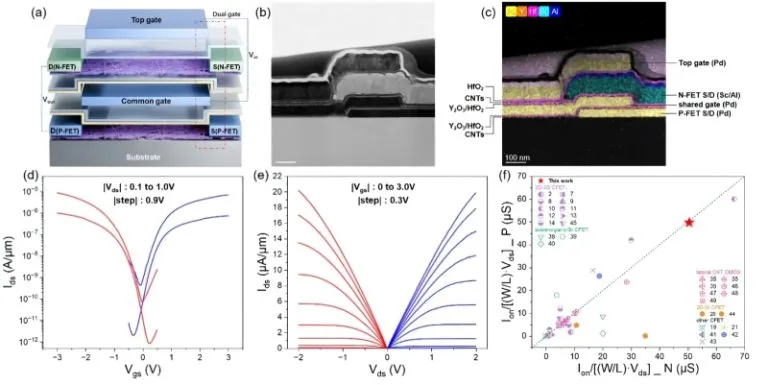
Advancements in CFET Technology Promise Faster, Smaller, and More Reliable Semiconductor Transistors
July 21, 2026
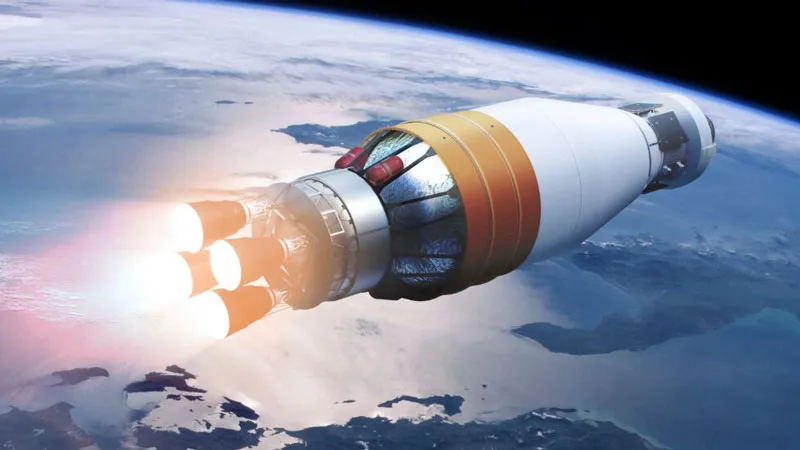
NASA has announced significant adjustments to its Artemis program in response to rising concerns over the escalating lunar competition with China. The agency aims to ensure the United States maintains a leadership position in returning astronauts to the Moon, committing to at least one crewed lunar mission before 2029.
U.S. officials have repeatedly emphasized that a Chinese-led lunar landing prior to the United States would represent a major geopolitical setback. This urgency has prompted NASA to undertake bold changes to the Artemis initiative, which had been progressing on a timeline now considered insufficient to meet these strategic objectives.
The alterations include postponing the timeline for a crewed lunar landing while simultaneously scaling down the Space Launch System (SLS), NASA’s heavy-lift launch vehicle originally intended for key Artemis flights. These measures reflect a strategic recalibration designed to streamline mission complexity and reduce dependencies, thereby accelerating the agency’s capability to reach the Moon before China.
NASA’s revised approach prioritizes adaptability and efficiency, shifting the focus toward optimizing available resources and technologies. By tempering ambitions around the SLS rocket, which has faced development challenges and costs concerns, NASA plans to leverage alternative or complementary launch strategies to meet its lunar goals more reliably and quickly.
The agency’s commitment to ensure a crewed lunar surface mission occurs at least once before 2029 underscores the geopolitical stakes of the space race. This adjustment aims to counterbalance China’s increasing advancements in lunar exploration technologies and missions, which have heightened competition in recent years.
While precise details outlining the new Artemis mission schedules, vehicle configurations, or budgetary impacts were not fully disclosed, NASA’s intent to safeguard American precedence in lunar exploration signals a reinvigorated emphasis on speed and mission assurance.
The revised Artemis program highlights the evolving dynamics of 21st-century space exploration, where geopolitical considerations increasingly intersect with technological innovation and international collaboration. NASA’s strategic pivot serves as a reminder of the ongoing race for dominance beyond Earth and the critical importance of lunar capability in shaping future space policy.
NASA restructures Artemis, delaying lunar landing and scaling back SLS to secure first return to the Moon ahead of China’s advances.