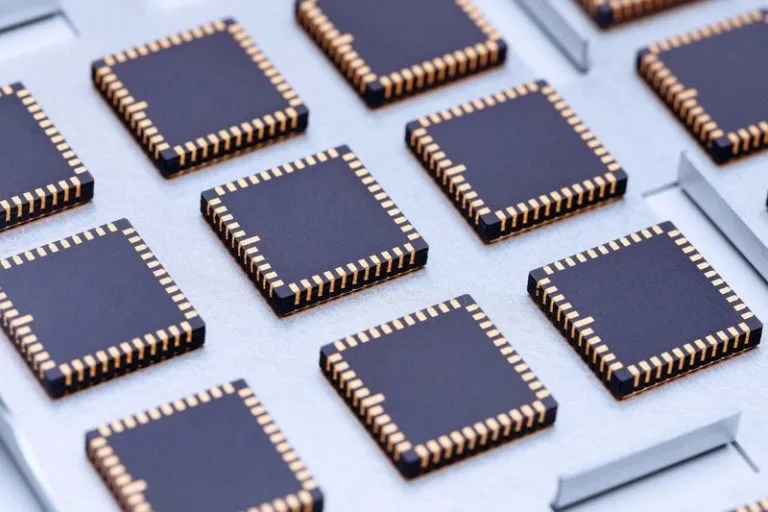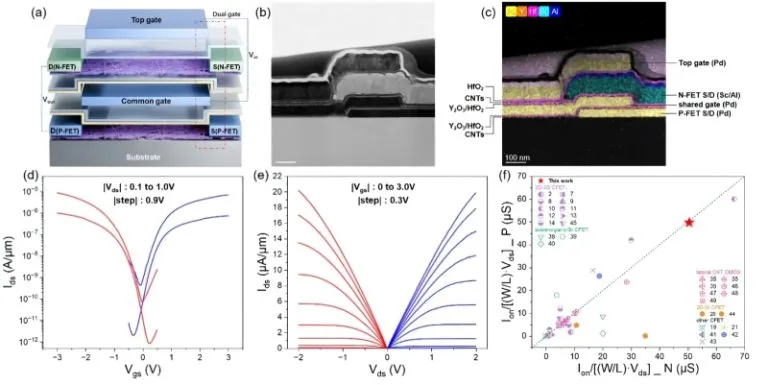
Advancements in CFET Technology Promise Faster, Smaller, and More Reliable Semiconductor Transistors
July 21, 2026
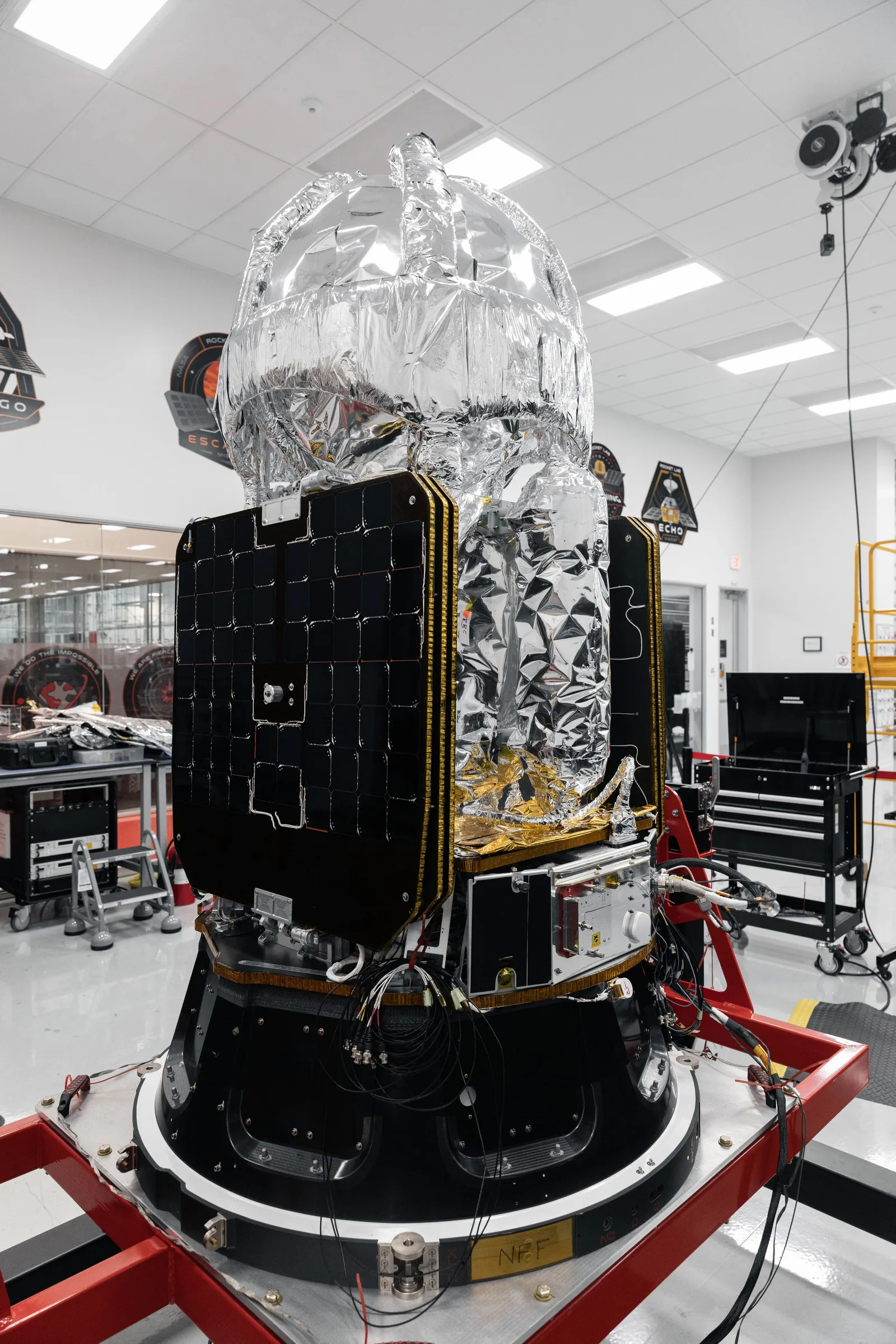
NASA is preparing to conduct a series of experiments later this year aimed at validating new technologies for storing and transporting cryogenic fuel in space. These efforts are part of the agency’s ongoing preparations for future crewed missions targeting the Moon and Mars.
One of the key challenges in long-duration space exploration is efficient fuel management, especially for missions beyond Earth’s orbit. NASA’s upcoming technology demonstrations focus on handling supercooled cryogenic propellants, which are crucial for powering spacecraft traveling to distant destinations such as the lunar surface and the Martian environment.
The planned tests will examine methods to store cryogenic fuels in a stable manner, minimizing evaporation and loss during extended periods in microgravity. Additionally, the agency aims to validate techniques for transferring these fuels in the vacuum of space, which could enable refueling spacecraft in orbit. This capability is seen as essential to extend mission durations and increase payload capacity by allowing vehicles to launch with less fuel and be refueled en route.
Such innovations are critical to NASA’s Artemis program and future crewed missions to Mars, where establishing reliable in-space fuel logistics can reduce the costs and complexities associated with deep space travel. By testing these technologies in an actual space environment, NASA hopes to address the technical challenges that have limited in-orbit refueling to date.
Details about the specific hardware or mission profile for the planned demonstrations have not been disclosed. However, the initiative represents a strategic step toward creating a sustainable space exploration infrastructure. Successful demonstration of cryogenic fuel management could pave the way for advanced propulsion systems and support the agency’s long-term goals of sustained human presence on the Moon and eventual crewed exploration of Mars.
As NASA advances its technology readiness, these upcoming experiments mark an important milestone in overcoming one of the fundamental obstacles to future interplanetary travel—efficient and reliable fuel handling beyond Earth’s atmosphere.
NASA plans to demonstrate advanced cryogenic fuel storage and transfer in space, supporting upcoming human missions to the Moon and Mars.