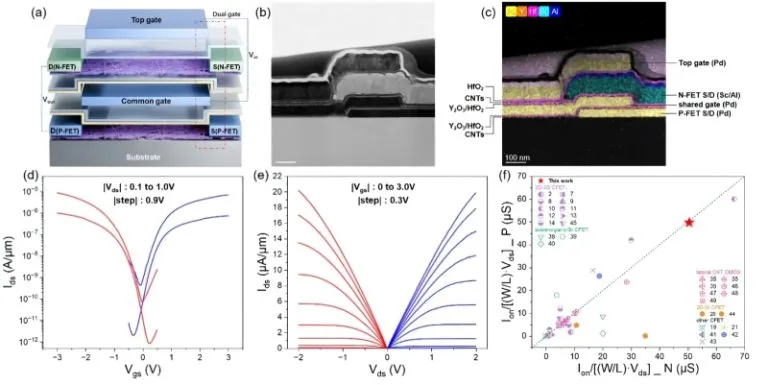
Advancements in CFET Technology Promise Faster, Smaller, and More Reliable Semiconductor Transistors
July 21, 2026
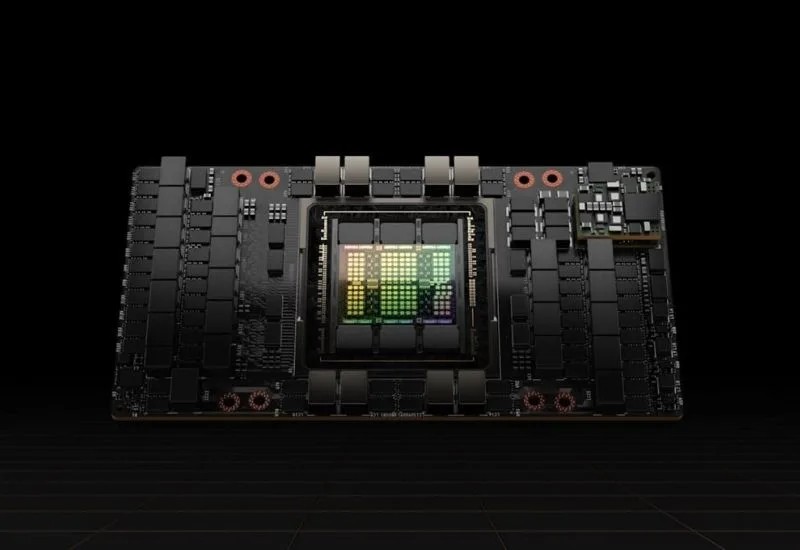
Contrary to earlier predictions that the release of Nvidia’s latest Blackwell architecture accelerators would reduce interest in the previous generation H100 models, recent market data reveals a different trend. The demand for renting these once-considered outdated GPUs remains robust, with rental prices rising significantly over the past six months.
Analysis conducted by SemiAnalysis sheds light on the evolving landscape of AI hardware deployment amid an ongoing surge in artificial intelligence applications. Industry observers initially anticipated that newer Nvidia Blackwell accelerators would rapidly displace H100 units, leading to a decline in demand and subsequently lower rental costs for the older technology.
However, the opposite scenario unfolded. Instead of diminishing, the demand for Nvidia H100 GPUs in the rental market has not only held steady but increased. Moreover, the rental fees for these accelerators have experienced a sharp rise, climbing approximately 40% within a six-month timeframe. This rise suggests that capacity constraints or increased utilization in AI workloads are influencing the market.
One factor contributing to sustained H100 demand could be the widespread use and deployment of these accelerators across various segments of AI model training and inference, where organizations are expanding their computational resources rapidly to meet growing performance requirements. Despite the introduction of more advanced hardware, legacy systems and compatibility considerations often lead to longer life cycles for existing GPUs in cloud and data center environments.
The rental market for AI accelerators, including GPUs like the H100, plays an important role for enterprises and research institutions that require scalable, on-demand access to high-performance computing power without the upfront investment of purchasing hardware outright. The increase in rental pricing highlights the intense competition for these resources and possibly reflects supply shortages or increased operational costs.
This trend underscores that technological advancements alone do not always predict immediate shifts in market demand. Usability, cost efficiency, and ecosystem integration can sustain interest in established solutions even as newer models become available.
While the Nvidia Blackwell architecture represents the cutting edge of AI acceleration technology, the current market dynamics demonstrate that H100 accelerators continue to be valuable and sought after in AI infrastructure, at least in the near term.
The evolving demand patterns may prompt industry stakeholders and investors to reassess assumptions about hardware lifecycle and adoption curves in the fast-paced field of artificial intelligence. Further monitoring will be essential to understand how these trends develop as newer architectures penetrate global AI workloads.
Contrary to expectations, demand and rental prices for Nvidia’s H100 accelerators have increased even after Blackwell series launch.