Advancements in CFET Technology Promise Faster, Smaller, and More Reliable Semiconductor Transistors
July 21, 2026
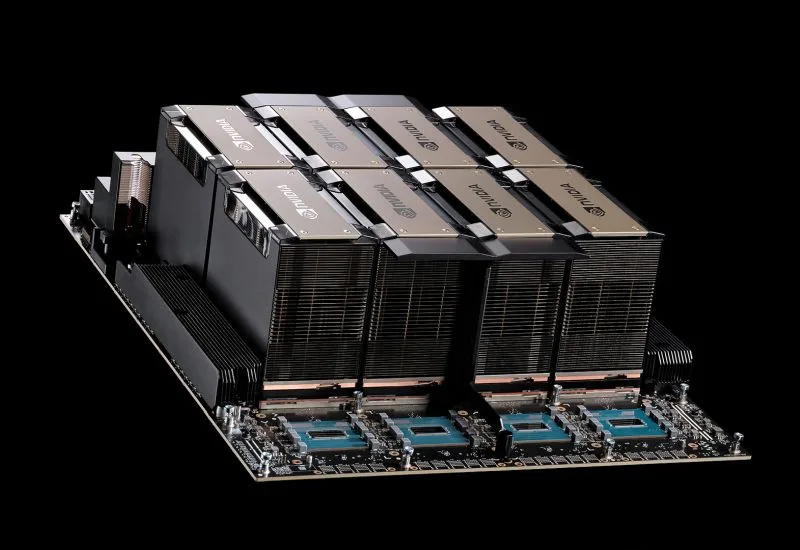
Nvidia has suspended the manufacturing of its H200 computing accelerators intended for the Chinese market, following a prolonged delay in securing export licenses from the United States government. While initial approval for shipments to China was granted at a policy level, the necessary export permits enabling significant deliveries have yet to be issued.
Late last year, the administration under former President Donald Trump provided a conditional green light allowing Nvidia to supply the advanced H200 accelerator units to China. However, despite this overarching authorization, relevant US officials have not completed the regulatory process to formally authorize large-scale exports. This regulatory bottleneck has led Nvidia to halt new production orders targeting Chinese customers.
The decision to pause the manufacture of the H200 chipsets intended for China reflects growing complexities surrounding US export controls on advanced technology products. The H200 accelerators, utilized in high-performance computing and artificial intelligence applications, fall under regulatory scrutiny due to their cutting-edge capabilities.
By withholding formal export licenses, the US government effectively limits Nvidia’s ability to fulfill demand in China despite the absence of an explicit ban on the transactions. This administrative stance underscores the nuanced approach to technology trade restrictions, where policy authorization may precede yet not guarantee regulatory compliance or license issuance.
Nvidia’s temporary production halt for this segment signals both the challenges faced by global semiconductor firms navigating export control frameworks and the broader context of US-China technology relations. The company has not disclosed details regarding the timeline for resuming production once export licenses are granted or strategies to mitigate the impact of these regulatory constraints.
The episode highlights the crucial role of export licensing processes in controlling advanced semiconductor deliveries under geopolitical considerations and the ongoing balancing act between market demands and national security concerns. Nvidia’s H200 accelerators remain a significant component in high-end computing infrastructures, and delays in shipments to China may influence the pace of technological deployment in AI and related fields within the region.
In summary, despite initial US policy approval, the absence of issued export licenses has compelled Nvidia to stop producing H200 units for the Chinese market, illustrating the complexities at the intersection of technology supply chains and international export control regulations.
Nvidia has paused production of its H200 computing accelerators for China due to delays in obtaining US export licenses.