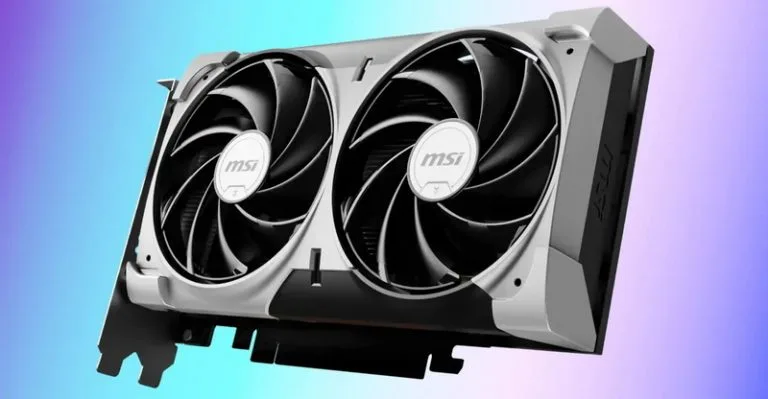
MSI Unveils New GeForce RTX 5060 Models Featuring Modified RTX 5070 GPUs
July 17, 2026
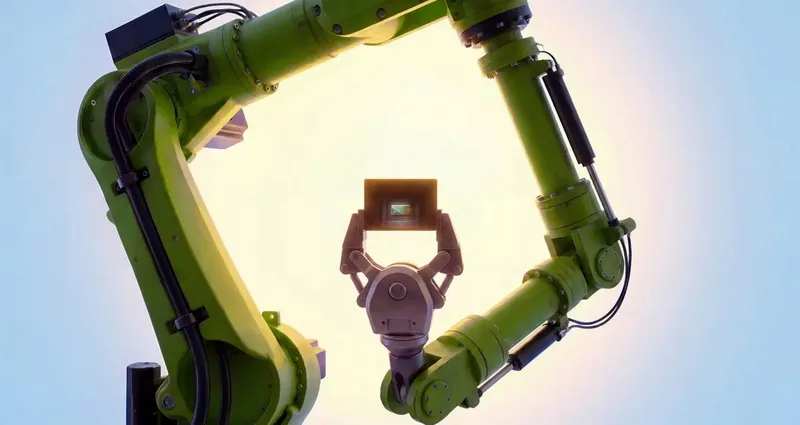
Nvidia has announced two new compact computing platforms tailored for robotics and industrial AI applications, named Jetson T3000 and Jetson T2000. These systems are built around Nvidia’s latest Blackwell chip architecture and aim to deliver enhanced artificial intelligence performance at the edge.
The Jetson series from Nvidia is well-known for providing high-performance AI computing in small form factors used widely across robotics, industrial automation, and other peripheral AI-powered devices. The newly introduced Jetson T3000 and T2000 models continue this trend, targeting markets that require efficient and powerful embedded AI solutions.
Both Jetson T3000 and T2000 embed Nvidia’s upcoming Blackwell chips, representing the company’s next generation of AI processors optimized for edge deployment. These chips are designed to handle increasing computational demands while maintaining compact sizes conducive to integration within robots and industrial machines.
The platforms are expected to support a range of AI workloads, including machine learning inference and real-time data processing in environments outside traditional data centers. Their compact design makes them suitable for deployment in robotics, industrial automation, and other sectors requiring robust AI capabilities on-site.
Nvidia plans to release the Jetson T3000 and T2000 devices in the first quarter of 2027. While specific details regarding specifications, pricing, and availability have yet to be disclosed, the announcement underscores Nvidia’s continued investment in expanding AI computing options at the edge.
These additions to the Jetson family further solidify Nvidia’s position in the embedded systems space, providing developers and companies with advanced tools to build next-generation AI-enabled robotics and industrial applications.
Nvidia introduces Jetson T3000 and T2000 compact AI platforms designed for robotics and industrial applications, launching in early 2027.