App Store Sees Surge in New Apps Amid Growth of No-Code Platforms in Early 2026
July 21, 2026
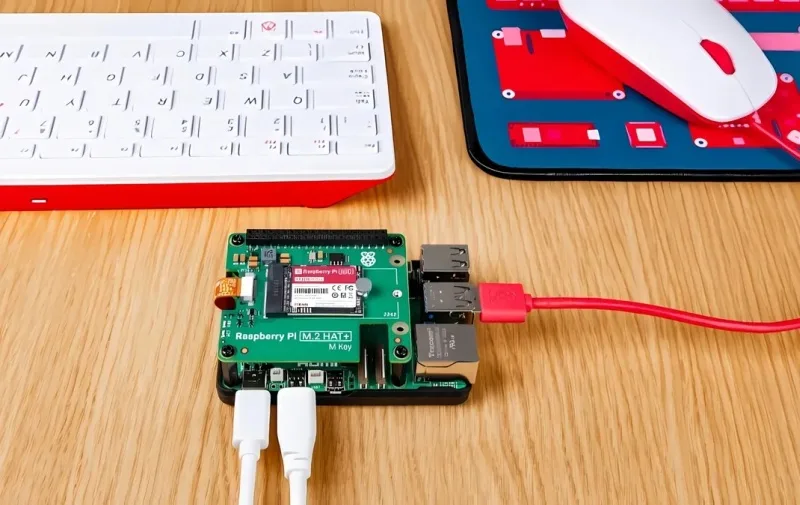
Raspberry Pi, long celebrated for delivering low-cost computing solutions to technology enthusiasts and educational markets, is confronting growing challenges as the rising costs of memory components impact its product pricing. Once a go-to for affordable single-board computers, the company has recently announced yet another increase in its product prices. This development threatens to erode the very advantage that helped Raspberry Pi thrive: its accessible price point.
For years, Raspberry Pi devices have been popular for their affordability, fostering a wide range of projects from hobbyist tinkering to educational programming and even commercial applications. This reputation is largely driven by the device’s low cost, which has been tightly linked to the relatively inexpensive memory modules integrated into its design.
However, the global market for dynamic random-access memory (DRAM) has experienced significant price fluctuations, with upward pressure on pricing due to supply constraints and increased demand. This inflation in memory costs has directly affected Raspberry Pi’s production expenses, compelling the company to implement price adjustments in response.
The company’s latest price increase reflects this ongoing challenge, delivering a notable rise that has sparked concern over the sustainability of Raspberry Pi as a budget-friendly computing option. The higher prices could potentially limit the use of Raspberry Pi in scenarios where cost efficiency is critical, such as education sectors and low-budget development projects.
While the specific pricing details and the extent of the new cost increments remain undisclosed, industry observers recognize that rising component costs are a widespread issue impacting many hardware manufacturers. Still, Raspberry Pi’s predicament is particularly impactful given its hallmark application as an accessible computing platform.
In response to these challenges, the broader community and users of Raspberry Pi devices are closely monitoring how the price adjustments will influence the ecosystem. The increased cost may prompt some users to seek alternatives or reevaluate projects reliant on Raspberry Pi hardware.
Despite these obstacles, Raspberry Pi continues to maintain a loyal following and a strong presence in the single-board computer market. How the company navigates the ongoing memory price fluctuations will be crucial to its future positioning and the preservation of its core value proposition.
As market dynamics evolve, the situation highlights the vulnerability of hardware producers to component price volatility and underscores the complex balance between cost, performance, and accessibility in tech manufacturing.
Raspberry Pi faces new price hikes due to surging memory costs, raising concerns over the accessibility of its single-board computers.