SpaceX IPO Elevates Elon Musk and Key Insiders to Billionaire Status
June 19, 2026
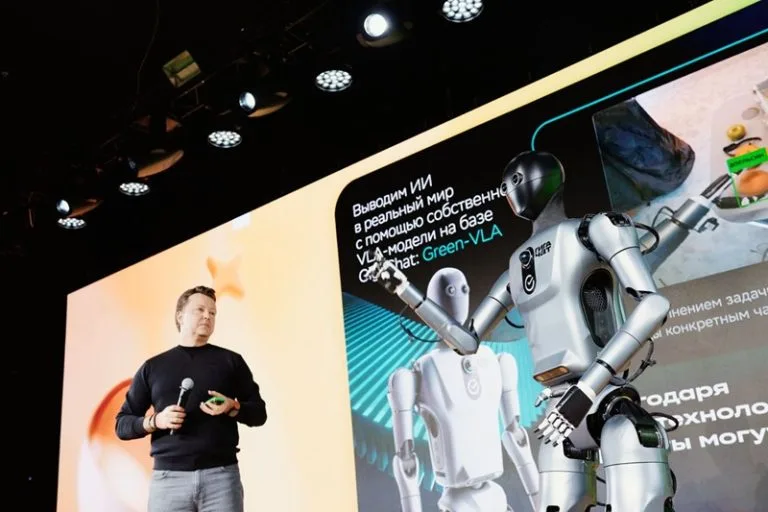
Recent developments in robotics have demonstrated that modern robots can accomplish a wide variety of impressive tasks. Robots have been shown to mix cocktails, run marathons, and even fold laundry with increasing competence. However, despite these advancements, significant challenges remain when it comes to robots understanding and interacting with their surrounding environments on a broader scale.
At the Robotics Summit held late May in Boston, a clear discrepancy emerged between the expectations set by marketing materials and the insights shared by robot developers. While promotional brochures highlighted the versatile abilities of today’s robots, creators acknowledged a fundamental gap: robots still lack the capacity to grasp the complexities of real-world settings.
Robotics experts noted that while individual skills and task-specific programming have reached impressive levels, the ability to perform a wide array of tasks seamlessly based on real-time cues remains elusive. This limitation points to a deeper challenge in artificial intelligence and sensor integration, which prevents robots from fully adapting to the unpredictability and variability inherent in daily human environments.
The event underscored a crucial point in the evolution of robotics technology. Achieving proficiency in isolated activities does not necessarily translate to functional understanding or situational awareness, which are essential for robots to be truly autonomous and effective in diverse settings.
Developers at the summit emphasized ongoing research geared toward improving robot perception and contextual decision-making. Advanced machine learning techniques and enhanced sensor arrays are seen as promising paths forward to bridge the gap between task excellence and environmental comprehension.
As industries increasingly look to automate complex operations, understanding and overcoming these limitations is critical. For now, the robotics community continues to pursue solutions that will allow machines to not only execute programmed actions but also interpret and react to the nuances of the world around them.
The Robotics Summit offered a valuable forum for candid discussions about both the capabilities achieved and the technical challenges that still need to be addressed before robots can operate seamlessly alongside humans in everyday environments.
Despite mastering complex actions like cocktail mixing and marathon running, robots remain limited in comprehending and adapting to the real world.