Advancements in CFET Technology Promise Faster, Smaller, and More Reliable Semiconductor Transistors
July 21, 2026
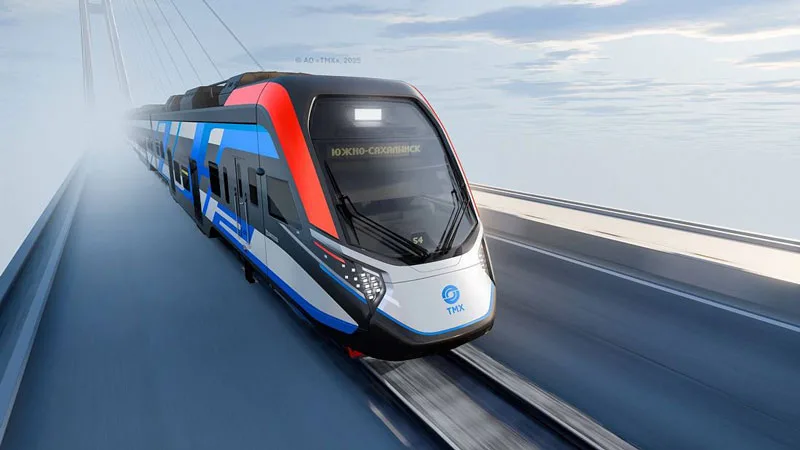
At the Demikhovsky Machine-Building Plant in Orekhovo-Zuyevo, near Moscow, the production of Russia’s first passenger train using hydrogen fuel cell technology has commenced. This marks a significant step in the country’s pursuit of clean energy solutions within the transportation sector.
The hydrogen fuel cells onboard the train generate electricity by combining oxygen with hydrogen. This electrochemical reaction powers the train’s systems without combustion, resulting in water vapor as the only emission. This innovative approach offers a sustainable alternative to conventional diesel or electric-powered rail systems.
The new train boasts a range of approximately 725 kilometers from a single hydrogen tank, reflecting a considerable advancement in fuel efficiency and operational capabilities for hydrogen-powered vehicles. This extended range enables longer routes without frequent refueling stops, which historically has been a challenge for hydrogen mobility.
The assembly project at Demikhovsky is notable as it represents the first domestically produced hydrogen-powered passenger train in Russia, positioning the country among the developers of next-generation rail technology integrating green energy. This initiative supports efforts to decrease carbon emissions and reliance on fossil fuels in transportation.
While specific technical details, pricing, and deployment timelines have not been disclosed, the advancement underscores a growing global momentum toward incorporating hydrogen and other alternative fuels into mass transit systems. Such technologies are increasingly seen as vital components in achieving sustainable transportation infrastructures.
This development is expected to contribute to shaping Russia’s future mobility landscape, potentially influencing policies and investments aligned with environmental considerations and energy independence.
Assembly has started on Russia’s first hydrogen fuel cell-powered passenger train, capable of 725 km range emitting only water vapor.