
App Store Sees Surge in New Apps Amid Growth of No-Code Platforms in Early 2026
July 21, 2026
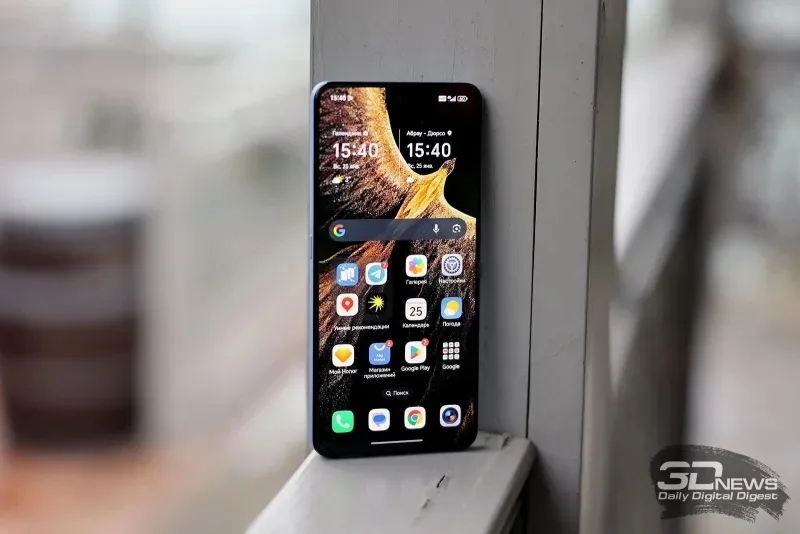
The Russian State Duma has given initial approval to a controversial legislation that requires all mobile phones used within the country to be registered in a government-maintained IMEI database. Under this new regulation, devices not included in the registry will be blocked from accessing mobile networks across Russia.
This measure is introduced through amendments to the law governing telecommunications and aims to address concerns related to mobile phone and internet fraud. By establishing a centralized database of International Mobile Equipment Identity (IMEI) numbers, authorities seek to enhance control over device authorization on national networks.
The IMEI is a unique identifier used worldwide to recognize individual mobile phones on cellular networks. The new law’s mandate that all devices must be registered before gaining network access positions the database as a crucial tool in the country’s efforts to limit illegal activities involving theft, counterfeiting, and online scams. Authorities expect that preventing unregistered phones from connecting will reduce fraudulent use of mobile devices and improve overall network security.
The legislation has sparked debate regarding its potential impact on consumers and the telecom market. Some experts suggest that the requirement may pose challenges for users purchasing second-hand or imported devices, which will need to undergo registration to remain functional on Russian networks.
While the initial reading was passed, further legislative scrutiny and public discussion are anticipated before the law takes full effect. Details regarding the registration process, enforcement timeline, and possible exemptions have not yet been disclosed.
This development aligns Russia with other countries that monitor IMEI numbers to combat mobile theft and unauthorized device use, but the scope of this nationwide registry and enforced disconnection for noncompliance represents a significant regulatory step in the domestic telecommunications sector.
Moving forward, mobile providers and consumers will need to adapt to the new regulatory landscape, as network operators will be responsible for verifying device registration status and potentially blocking connectivity for devices that are not listed in the government database.
Overall, the legislation is intended to strengthen the integrity of mobile communications infrastructure in Russia and reduce the prevalence of mobile and internet-related fraudulent activities through stricter device identification and control.
Russia mandates all mobile phones to be registered in a national IMEI database, blocking unregistered devices from network access.