Advancements in CFET Technology Promise Faster, Smaller, and More Reliable Semiconductor Transistors
July 21, 2026
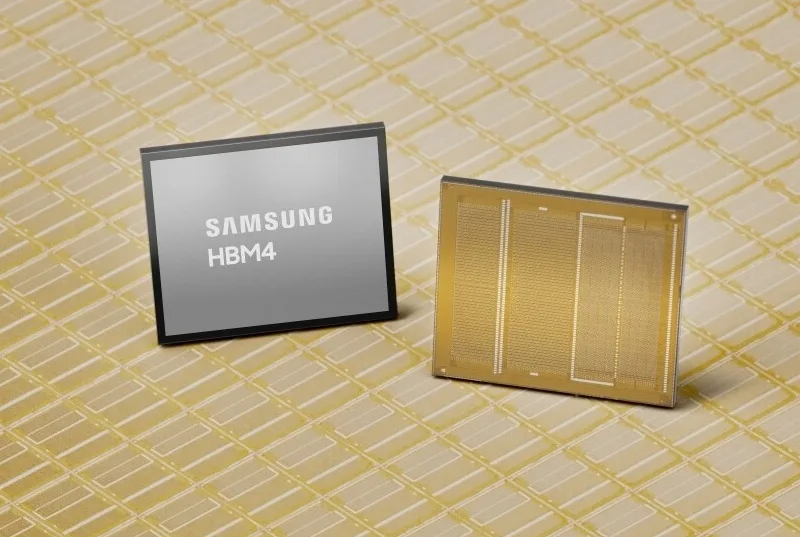
Samsung has announced a significant shift in its memory manufacturing strategy by discontinuing production of 2D NAND flash memory this year. The South Korean tech giant plans to repurpose its fabrication facilities to focus on producing HBM4 (High Bandwidth Memory 4) as demand for advanced memory solutions grows, particularly driven by developments in artificial intelligence (AI).
2D NAND technology, which has been a staple in flash memory for decades, is being phased out as Samsung responds to changing market needs. The move away from classic planar NAND flash reflects the industry’s broader shift toward newer memory architectures that can better support high-performance computing workloads.
Samsung’s decision comes amid surging interest in HBM4 memory, a high-speed memory technology designed to provide substantial bandwidth improvements crucial for AI processing, machine learning, and other data-intensive applications. By converting existing 2D NAND production lines, Samsung aims to accelerate its output of HBM4, allowing it to better meet the escalating requirements of customers involved in AI development.
HBM technology stacks memory dies vertically, optimizing space and enabling faster data transfer rates compared to traditional memory types. The fourth generation, HBM4, is expected to push these advantages even further, making it a desirable component in next-generation AI hardware.
While Samsung has not disclosed detailed plans regarding the scale or timeline for its facility conversions, the company’s pivot highlights the growing importance of AI workloads in shaping semiconductor manufacturing priorities. This reallocation of production capacity is likely to impact the broader memory market, as 2D NAND production winds down in favor of more advanced memory technologies.
Samsung’s commitment to HBM4 production underscores the industry’s recognition of evolving memory needs, especially as AI applications demand faster, more efficient access to large datasets. This realignment aligns with trends seen across major semiconductor manufacturers who are investing heavily in high-bandwidth memory solutions to support the next wave of computing innovation.
The discontinuation of 2D NAND production marks the end of an era for Samsung but positions the company to better capitalize on the expanding market opportunities brought on by rapid AI advancement and the corresponding need for cutting-edge memory solutions.
Samsung will halt 2D NAND flash production and repurpose facilities to meet rising demand for HBM4 memory driven by AI advancements.