App Store Sees Surge in New Apps Amid Growth of No-Code Platforms in Early 2026
July 21, 2026
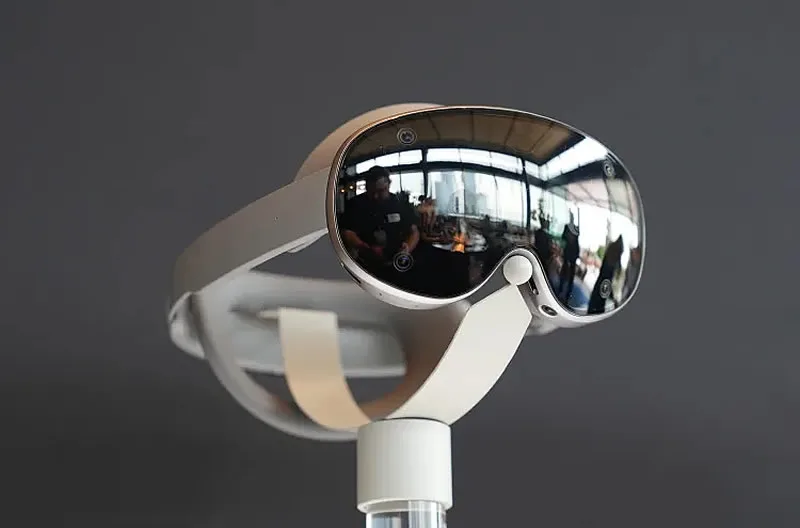
Samsung has enhanced the capabilities of its Galaxy XR mixed reality headset with a new feature that enables the transformation of traditional two-dimensional applications into three-dimensional environments. This functionality is integrated within Google’s Android XR operating system, aiming to elevate user interaction and immersion.
Revealed in a recent update, this feature is currently available for users of the Galaxy XR headset. It marks a notable development in mixed reality, where flat, standard apps — typically designed for phones and tablets — can now be experienced spatially, adding depth and a sense of presence.
The innovation comes as part of Google’s ongoing efforts to expand the Android XR platform, which supports a range of extended reality devices encompassing augmented, virtual, and mixed reality. By enabling 2D applications to be dynamically rendered in 3D, the platform bridges the gap between conventional app experiences and immersive reality content.
Though still experimental, this transformation technology represents a step forward in how users interact with digital content through mixed reality headsets. It opens new possibilities for developers and users, allowing existing software to gain new life and usability without requiring full redevelopment for XR environments.
The rollout specifically targets the Galaxy XR headset, a device known for its mixed reality capabilities. With this update, Samsung and Google push forward the integration of XR features that blur the boundaries between traditional and immersive interfaces, potentially reshaping how productivity, entertainment, and communication applications are used in MR settings.
Details on the exact mechanics of the conversion process have not been extensively shared publicly, nor has there been an official statement on future plans for widespread availability beyond the Galaxy XR ecosystem. However, the initiative underscores an industry trend toward leveraging AI and software to enhance the adaptability of existing applications for emerging XR platforms.
As the smart headset market grows and XR technology matures, features like these could serve as a significant advantage for devices able to seamlessly blend familiar content with novel immersive experiences.
Samsung’s Galaxy XR mixed reality headset now converts standard 2D apps into immersive 3D experiences using Android XR.