App Store Sees Surge in New Apps Amid Growth of No-Code Platforms in Early 2026
July 21, 2026
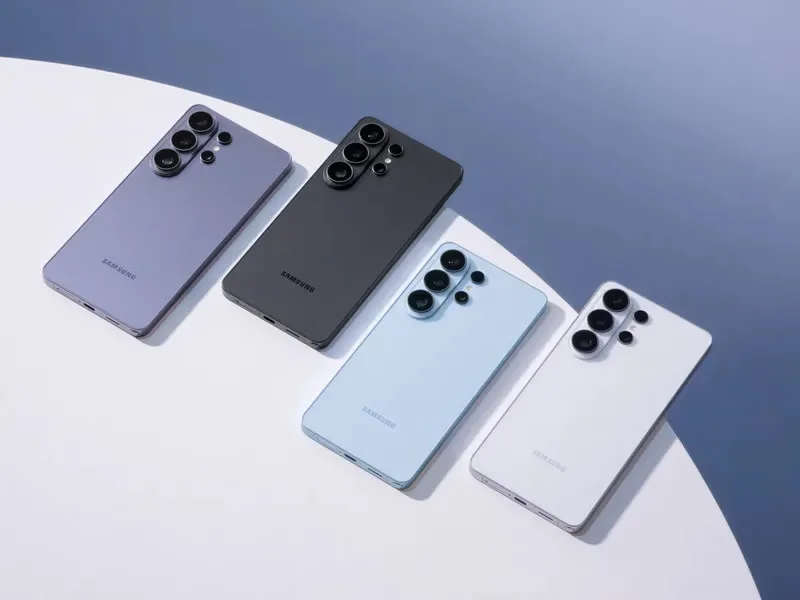
Samsung has clarified why its upcoming Galaxy S26 smartphone will not feature the magnetic attachment system becoming common in rival devices from Apple and Google. The company’s decision stems from a desire to carefully balance device dimensions with performance and functionality, rather than pursuing the magnetic integration trend.
Won-Joon Choi, the executive vice president and head of Samsung’s mobile research and development division, provided insight into the reasoning behind the design approach. According to Choi, Samsung evaluated the possibility of incorporating magnets into the Galaxy S26’s chassis but ultimately determined that such an addition could disrupt the harmony between the phone’s size and its operational capabilities.
The magnetic attachment system, utilized by competitors to enable easy accessory connection and wireless charging enhancements, reportedly introduced challenges that conflicted with Samsung’s vision for the S26’s form factor. Instead of adapting their design to include magnets, Samsung chose to maintain a balance that prioritizes both device compactness and functional performance.
This decision indicates Samsung’s commitment to its established priorities over following feature trends. While magnetic systems can offer new possibilities for accessory ecosystems and user convenience, they also require trade-offs related to internal space and structural integrity, especially in flagship devices where every millimeter matters.
By focusing on design balance, Samsung appears to emphasize an integrated experience with optimized hardware capabilities without compromising the look, feel, or durability of its devices. This approach may appeal to users who favor refined engineering and consistent functionality without additional complexity.
The Galaxy S series has long been known for pushing boundaries in display technology, camera innovations, and performance optimization. While some manufacturers explore magnetic connectors and modularity as evolving features, Samsung’s choice reflects its distinct engineering philosophy.
More information on the Galaxy S26’s full specifications and feature set has yet to be disclosed. Samsung’s detailed rationale, as shared by its mobile R&D leadership, underscores the company’s strategic decisions in an increasingly competitive smartphone market.
Samsung chose not to include magnetic attachment systems in the Galaxy S26 to maintain device balance and design integrity.