Advancements in CFET Technology Promise Faster, Smaller, and More Reliable Semiconductor Transistors
July 21, 2026
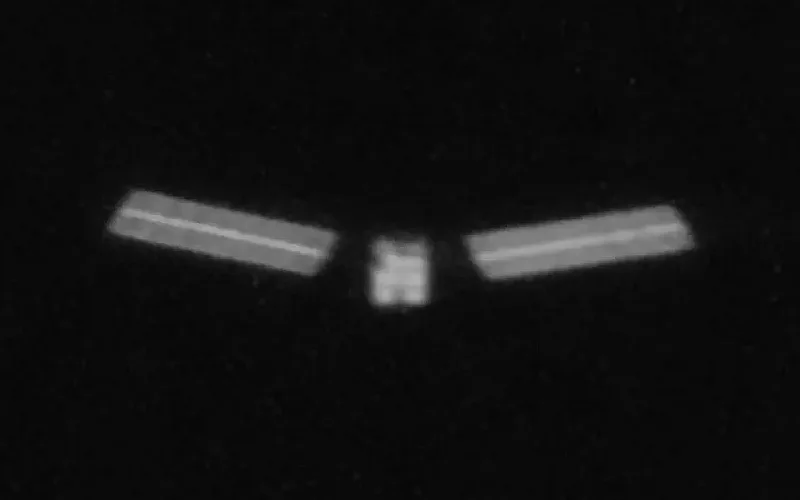
On March 29, 2026, the Starlink satellite designated 34343 experienced a significant event in orbit described by SpaceX as a collision with an orbital anomaly, resulting in the satellite breaking apart. This incident marks a notable disruption within the constellation operated by SpaceX intended to provide satellite internet coverage globally.
Prior to the fragmentation, an independent aerospace company, HEO Robotics, captured detailed photographic data of the satellite. The image, taken several weeks before the collision, offers a rare glimpse of the Starlink unit’s condition shortly before it was compromised. HEO Robotics released this high-resolution photograph on the social media platform X, enhancing public understanding of the satellite’s state leading up to the incident.
The collision caused an event classified as a fragmentation, which typically refers to the breakup of a satellite into multiple smaller pieces, raising concerns about contributing debris to the already congested orbital environment. SpaceX’s statement refrained from characterizing the object involved beyond calling it an ‘anomaly,’ suggesting further investigation into the orbital conditions surrounding the event.
Starlink satellites, part of one of the largest satellite internet constellations, frequently operate in low Earth orbit, making them susceptible to collisions with space debris or other objects. The loss of Starlink 34343 underscores ongoing challenges in space traffic management and debris mitigation as commercial satellite deployments continue to accelerate.
The availability of an image depicting the satellite just weeks before its demise adds valuable context for space analysts and enthusiasts tracking satellite health, orbital risks, and the effects of in-orbit collisions. While specific details regarding the aftermath of the fragmentation or the scale of debris generated have not been disclosed, the incident reflects the complex dynamics faced by mega-constellations in maintaining operational integrity amidst increasing orbital traffic.
As satellite operators and regulatory bodies assess the implications of such events, the integration of observational efforts by companies like HEO Robotics highlights the growing role of private aerospace firms in supporting space situational awareness. The Starlink 34343 case illustrates both the vulnerabilities inherent to orbital infrastructure and the collaborative potential in monitoring and documenting space activities.
A Starlink satellite fragmented after an orbital collision; a detailed image taken weeks prior has recently been shared publicly.