App Store Sees Surge in New Apps Amid Growth of No-Code Platforms in Early 2026
July 21, 2026
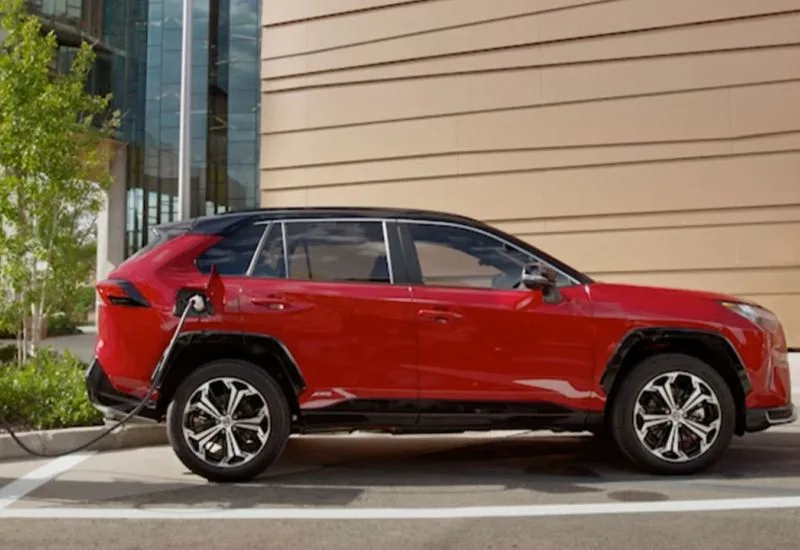
Interest in fully electric vehicles has diminished somewhat over the past five years, but automakers are increasingly promoting plug-in hybrid electric vehicles (PHEVs) as practical and environmentally friendly alternatives. Advertisements often emphasize their fuel efficiency and lower emissions compared to traditional internal combustion engines. However, recent research challenges these claims, revealing that plug-in hybrids consume far more fuel in real-world conditions than manufacturers have indicated.
Plug-in hybrids combine electric motors and gasoline engines, intended to optimize driving efficiency by relying on battery power for short trips and gasoline for longer distances. This dual system is marketed as providing convenience and economic benefits while reducing environmental impact. Consumers are attracted to the versatile nature of these vehicles, which promise cleaner driving without range anxiety.
Despite the appealing narrative, a recent study has scrutinized the actual fuel consumption data of several plug-in hybrid models. Results indicate a significant discrepancy between official fuel economy ratings and observed fuel usage during everyday driving scenarios. This suggests that real-world performance falls short of the efficiencies touted by manufacturers and regulatory testing.
The gap between advertised and real fuel consumption raises questions about the environmental advantage of these vehicles. If plug-in hybrids consume more fuel than expected, their ability to reduce greenhouse gas emissions and fuel dependency may be compromised. This insight is particularly relevant as policymakers and consumers aim to support sustainable transportation solutions amid global climate challenges.
While the convenience and adaptability of plug-in hybrids remain notable advantages, the study highlights a need for more transparent and accurate reporting of fuel consumption data. Prospective buyers might benefit from understanding the conditions under which PHEVs achieve their best efficiency, including frequent charging and driving patterns aligned with electric-only range capabilities.
Manufacturers and regulatory agencies could use these findings to refine testing procedures and improve the accuracy of fuel economy labels. Enhanced transparency could help guide consumer choices and promote the development of truly efficient and eco-friendly vehicles.
As the automotive industry evolves, balancing consumer expectations, environmental goals, and technical realities will be critical. This latest research underscores the importance of ongoing independent evaluation of vehicle performance to ensure that the shift toward greener transportation delivers genuine benefits.
New research reveals plug-in hybrid vehicles use much more fuel than manufacturers claim, challenging their efficiency and environmental benefits.