Coinbase Integrates AI Agents for Autonomous Trading and Analytics
June 11, 2026
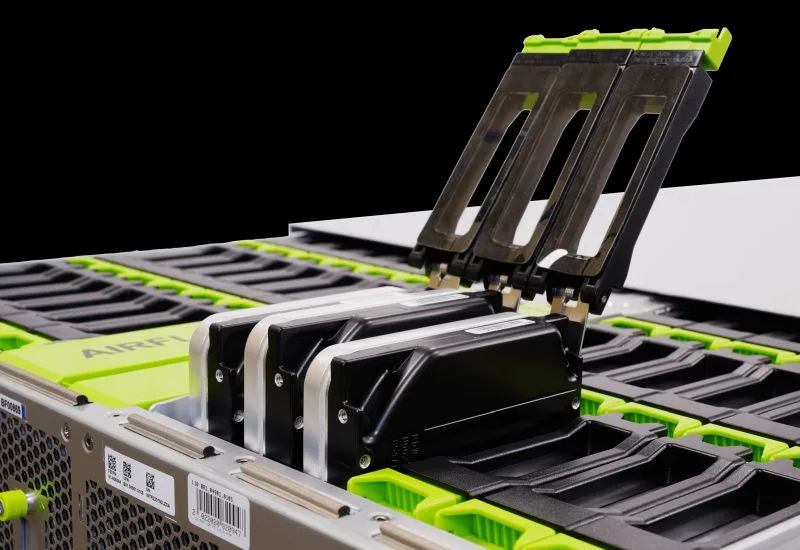
Taiwan is evaluating the possibility of imposing stricter export controls on artificial intelligence (AI) chips sold to China as part of fully assembled server systems. This move comes against the backdrop of Taiwan’s broader alignment with U.S. policy objectives concerning technology transfers to China.
Currently, Taiwan has not enacted stringent proportional export restrictions comparable to those in the United States, allowing Chinese companies to purchase ready-made server systems equipped with AI chips manufactured on the island. These systems integrate the AI chips into complete hardware, which U.S. regulations presently prohibit from being shipped directly to China.
Discussions within Taiwan’s government indicate increasing consideration of measures that would tighten oversight and control over the export of AI chip-enabled server systems destined for the Chinese market. The potential regulation could limit or restrict the delivery of such integrated technologies that incorporate Taiwan’s advanced semiconductor components.
Given Taiwan’s critical role in the global semiconductor supply chain and its technological expertise, any policy shifts affecting AI chip distribution could have significant implications. Since a substantial portion of AI hardware is assembled with chips produced in Taiwan, restricting these exports would directly impact Chinese firms relying on such imported systems for AI development and deployment.
Currently, Taiwanese manufacturers continue to supply AI chips internally and contribute to devices that travel under general server system classifications without specific limitations. This has created a regulatory distinction compared to the U.S., which enforces explicit prohibitions on shipping certain AI chips and related server hardware to China, aiming to limit technological advancements that may have national security ramifications.
Future changes to Taiwan’s export controls would reflect a closer synchronization with U.S. export policies and a more proactive stance in preventing sensitive AI technologies from reaching China via integrated hardware solutions. However, concrete decisions and details of any new regulatory framework remain under discussion, with no official announcements as of yet.
Industry observers note that Taiwan’s choices could influence the global semiconductor market dynamics, especially considering the rapid growth of AI applications and the increasing strategic importance of AI chip technology. Balancing economic interests with geopolitical considerations remains a key challenge for Taipei as it navigates its role amid mounting international pressure.
Taiwan is reviewing new export controls on AI chip-equipped server systems bound for China amid ongoing US-Taiwan policy alignment.