Vivo X300 E Launches Soon with Zeiss Optics and Massive 7200mAh Battery
July 20, 2026
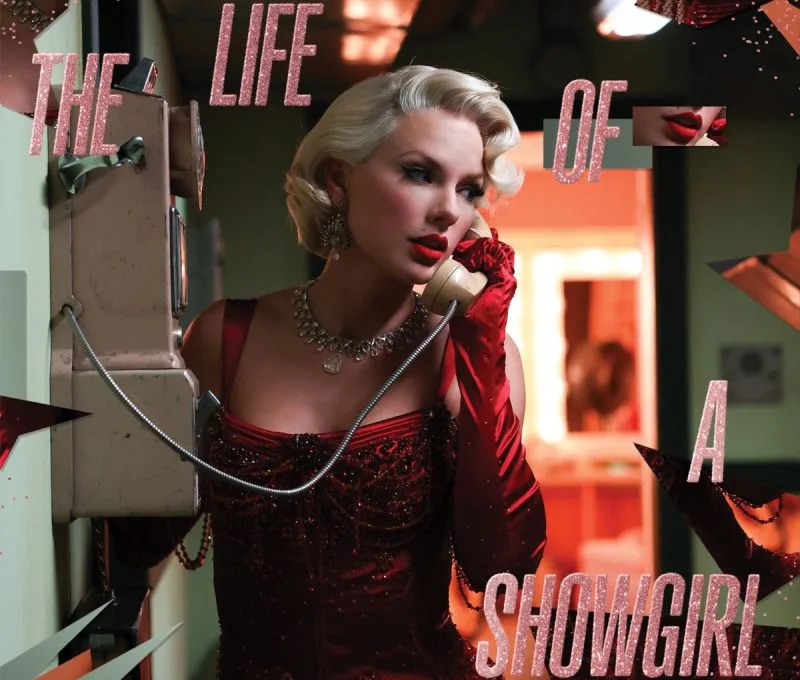
As generative artificial intelligence technologies advance rapidly, notable figures in the entertainment industry are increasingly facing challenges regarding unauthorized use of their likeness and voice. In response to these growing concerns, American singer-songwriter Taylor Swift has taken definitive measures to protect her artistic identity.
The rise of AI-generated content has opened new avenues for manipulation of celebrities’ images and voices, sometimes creating realistic but unauthorized reproductions. Taylor Swift, known globally for her influential work in music and her sizable fanbase, has acknowledged the risks this poses to the integrity of her brand and personal identity.
In an effort to counteract AI-driven exploitation, Swift is seeking to assert legal rights not only over her vocal performances but also over the various visual representations associated with her public persona. This move underscores a broader industry shift toward tightening intellectual property protections surrounding AI-generated depictions of individuals.
Industry experts note that with the increasing sophistication of generative AI tools, the unauthorized recreation of a celebrity’s voice or appearance may lead to serious ethical and legal challenges. By proactively establishing copyrights over her voice and image, Swift aims to set a precedent that could influence how artists and public figures protect themselves in the digital age.
While details about specific legal mechanisms or enforcement strategies in Swift’s approach have not been disclosed, her actions reflect a growing awareness in the entertainment sector regarding the need to safeguard creative assets against AI manipulation. This aligns with ongoing conversations about updating copyright laws and digital rights management to address emerging AI capabilities.
Swift’s initiative also highlights the complex intersection of technology, law, and celebrity culture, where innovation in AI demands careful consideration of personal and intellectual property rights. As AI continues to evolve, such protective efforts could become increasingly common among artists seeking control over their digital representation.
The broader implications of Swift’s protective measures may influence other artists and public figures to explore similar legal avenues, potentially prompting legislative and regulatory bodies to review frameworks governing AI-generated content.
Overall, this development marks a significant step in addressing the challenges that generative AI poses for creative professionals, emphasizing the importance of balancing technological innovation with respect for individual rights.
Taylor Swift is taking legal steps to safeguard her voice and image against unauthorized use by generative AI technologies.