
Advancements in CFET Technology Promise Faster, Smaller, and More Reliable Semiconductor Transistors
July 21, 2026
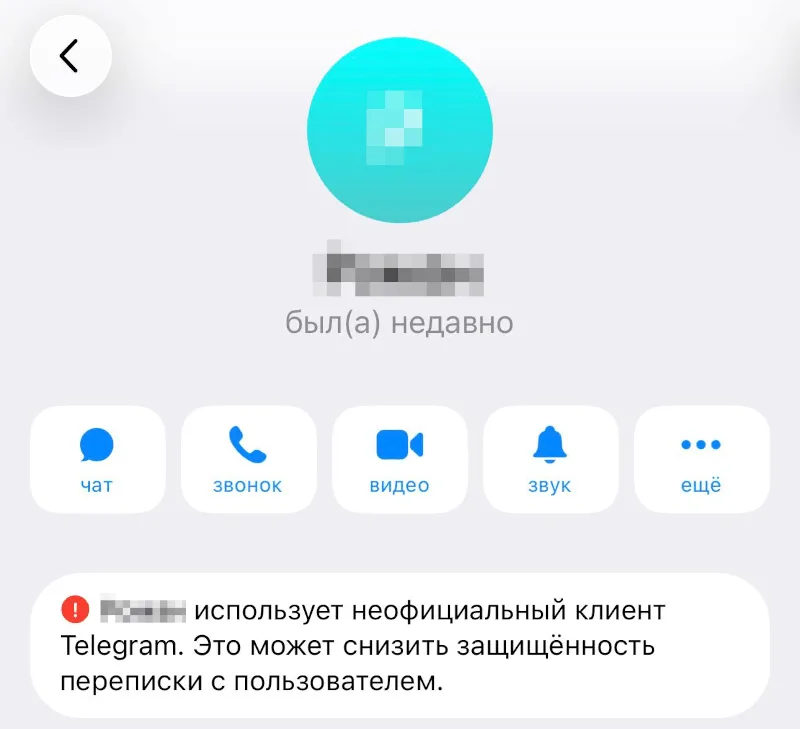
Telegram has introduced a new feature that identifies users operating on third-party messaging clients by displaying a warning on their profiles. This indicator alerts conversation partners to the potential decrease in privacy and security of their messages when chatting with those using non-official Telegram applications.
The messaging platform has not formally announced the rollout of this feature, leaving users to discover the profile notices organically while engaging in chats. The warning comes with a brief explanation implying that conversations involving third-party clients might be less protected compared to those conducted through the official Telegram app.
Details remain scarce regarding how Telegram determines which non-official clients trigger the warning. It is unclear whether the labeling applies universally to all third-party applications or only to select ones that Telegram deems less secure. The company has not clarified its criteria or shared specific information on how this new marking affects user privacy from a technical perspective.
Third-party Telegram clients have traditionally provided alternative interfaces and custom features, often appealing to users seeking varied experiences beyond the standard app. However, the introduction of these warnings suggests a push from Telegram toward consolidating usage around its official platforms, possibly as a measure to ensure end-to-end encryption consistency and protect users against vulnerabilities.
At present, there is no information about whether users of flagged third-party clients will face any restrictions beyond the visible warning. Likewise, Telegram has not indicated plans to extend or modify this policy in the near future.
The move highlights ongoing challenges messaging services face when balancing open ecosystem support with robust security standards. By flagging third-party client users, Telegram is effectively encouraging greater transparency about the software used for communication while prompting users to consider security implications.
The user community’s response has included discussions about privacy, trust in third-party apps, and the potential impact these warnings could have on how people choose to interact on Telegram. The situation remains evolving as users and developers monitor any additional updates or policy shifts from the platform regarding third-party software usage.
Telegram has started marking profiles of users on unofficial apps, indicating possible reduced conversation security.