Anthropic Faces Lawsuit Over Disputed Usage Limits on Premium Claude AI Plans
June 16, 2026
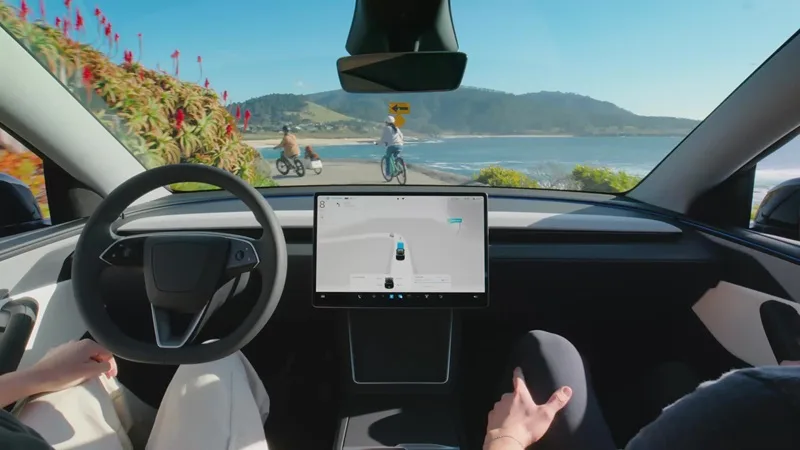
In China, Tesla drivers have devised a novel method to circumvent the attention monitoring controls embedded in Tesla’s Full Self-Driving (FSD) system. The feature is designed to ensure drivers remain focused on the road while using the vehicle’s advanced driver assistance functions. However, users have discovered that placing a miniature replica of a human head in front of the cabin-facing camera can trick the system into registering them as attentive, even when they are not actively engaged with driving.
Tesla’s FSD software includes a camera positioned inside the vehicle to observe the driver’s gaze and head position. This monitoring works to detect inattentiveness, aiming to prevent drivers from engaging in dangerous activities such as using their phones or falling asleep while the autopilot features are active. Despite these precautions, the toy head method effectively deceives the system, granting drivers leeway to browse social media or rest without triggering warnings or disengagement of autopilot functions.
The small, human-like model is strategically positioned near the driver’s seat to face the interior camera, simulating driver presence and attention. This exploitation highlights a vulnerability in the automated driver monitoring technology, which relies heavily on visual cues without cross-verifying other signs of alertness.
While Tesla markets its Full Self-Driving as an advanced assistance system rather than full autonomous driving, maintaining driver engagement remains critical for safety. The finding that a simple prop can bypass these safeguards draws attention to the potential risks associated with relying solely on camera-based driver monitoring solutions.
This situation also underlines challenges manufacturers face in developing systems that encourage compliance without creating easy means for users to sidestep safety protocols. Automakers and technology developers may need to explore multi-modal monitoring solutions that integrate additional sensors or behavioral analytics to better assess driver alertness.
The phenomenon has sparked discussion in both automotive and regulatory circles about balancing innovation with safety oversight. It remains unclear how widespread the use of such methods may be and what steps Tesla might take to address this vulnerability in its FSD system. Meanwhile, experts continue to emphasize that responsible use of driver assistance technologies is essential to prevent accidents and ensure road safety.
Drivers in China use small toy heads to trick Tesla’s Full Self-Driving system into thinking they are attentive, enabling risky phone use behind the wheel.