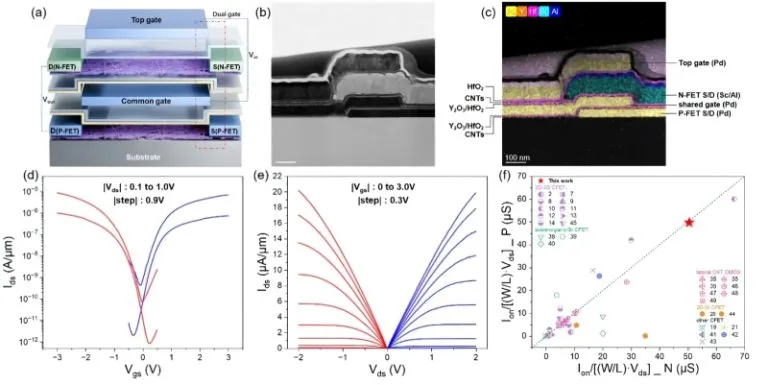
Advancements in CFET Technology Promise Faster, Smaller, and More Reliable Semiconductor Transistors
July 21, 2026
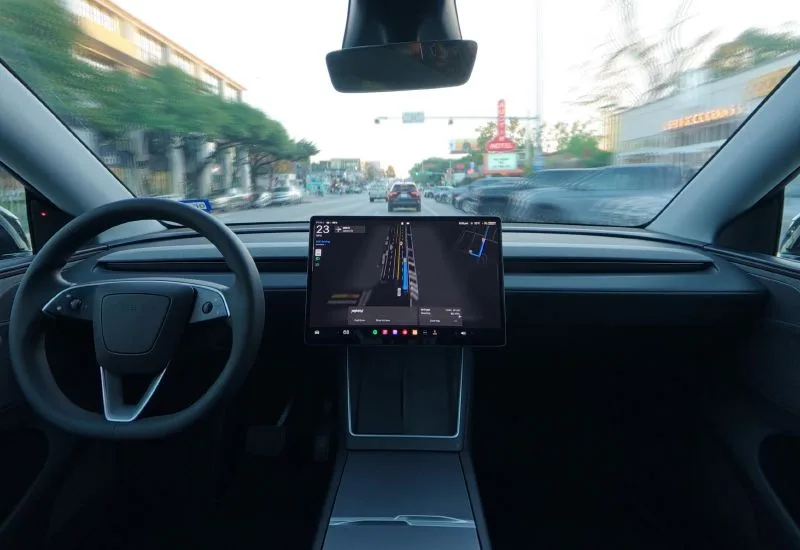
Tesla’s autonomous taxi service has come under scrutiny after data indicated a disproportionately high rate of crashes compared to conventional vehicles. According to safety statistics mandated by the U.S. National Highway Traffic Safety Administration (NHTSA), Tesla’s robotaxis operating in Texas are involved in accidents at a rate nine times greater than that of regular cars driven by humans nationwide.
The discrepancy has raised concerns about the safety and reliability of Tesla’s autonomous driving systems. While Tesla has historically been reticent in sharing detailed information about incidents involving its self-driving technology, compliance with regulatory requirements has led to the release of accident data that offers a clearer picture of the risks associated with robotaxis.
The data comparison, which benchmarks Tesla’s robotaxi collisions against traditional driver-operated vehicles across the United States, points to an alarming safety gap. This disparity is particularly evident in Texas, where Tesla’s autonomous taxis have gained a foothold as part of the company’s broader push into commercial robotaxi services.
Despite the enthusiasm around autonomous vehicle technology promising to reduce human error and improve road safety, the NHTSA figures cast doubt on the current effectiveness of Tesla’s self-driving software in real-world conditions. The reasons behind the elevated crash frequency have not been fully elucidated, but the figures underscore the challenges autonomous systems continue to face in navigating complex traffic environments consistently and safely.
Tesla’s limited disclosure has made independent evaluations of its autonomous vehicle safety difficult. However, the release of crash statistics under regulatory obligations provides valuable insight into operational risks. The company’s technology, which integrates a suite of sensors and machine learning models, is designed to navigate urban streets and highways without human intervention. Nonetheless, the substantially higher incidence of accidents suggests ongoing shortcomings in the system’s ability to handle dynamic road scenarios effectively.
The market for robotaxis remains in a nascent stage, and Tesla’s experience highlights the regulatory and technical hurdles that manufacturers must overcome to ensure autonomous fleets meet rigorous safety standards. The NHTSA continues to monitor the safety performance of autonomous vehicles closely, and future reporting will be crucial in assessing whether advances in software and hardware can narrow the safety gap between robotaxis and human-driven cars.
As autonomous vehicle deployment expands, safety remains a paramount concern for regulators, manufacturers, and the public alike. Tesla’s robotaxi crash rates serve as a reminder of the complexities involved in achieving fully reliable self-driving capabilities and the importance of transparent data sharing to foster informed oversight and public trust.
Tesla’s robotaxi crashes in Texas occur nine times more often than accidents involving traditional vehicles across the US, regulatory data reveals.