App Store Sees Surge in New Apps Amid Growth of No-Code Platforms in Early 2026
July 21, 2026
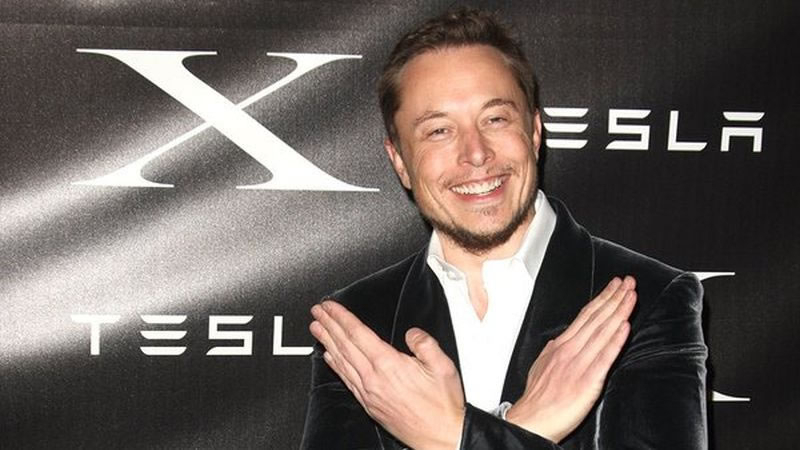
Tesla has revealed ambitious plans to build a new semiconductor manufacturing facility called TeraFab, aiming to alleviate its ongoing chip supply issues. The project, which will require an investment running into the billions of dollars, marks a significant expansion for the automaker beyond its core electric vehicle operations.
Elon Musk, CEO of Tesla, outlined that the initiative responds to the current inability of major chip suppliers—including industry leaders like Taiwan Semiconductor Manufacturing Company (TSMC), Samsung, and Micron—to meet Tesla’s demand for advanced semiconductor components. These shortages have been a persistent challenge for the automotive industry, especially amid rising demand for more complex vehicle electronics.
The new TeraFab plant represents Tesla’s strategic effort to gain greater control over a critical part of its supply chain. With the ongoing global scarcity of semiconductors, automakers have faced significant production disruptions. Tesla’s move to internalize chip manufacturing could help stabilize its production schedules and reduce dependency on third-party suppliers.
While Tesla has traditionally relied on external suppliers for its high-performance chips that power everything from vehicle systems to autonomous driving features, the company has experienced limitations linked to insufficient volume and supply chain constraints. This new facility aims to produce advanced semiconductors tailored specifically to Tesla’s automotive and energy product needs.
Details about the size, exact location, and timeline of the TeraFab project have not been disclosed. Similarly, specifics regarding the technologies involved in the manufacturing process remain under wraps. However, the scale of investment indicates Tesla’s commitment to becoming a significant player in semiconductor fabrication.
If successful, the TeraFab initiative could transform Tesla’s operational model by integrating the production of critical hardware components directly into its manufacturing ecosystem. This vertical integration approach might enable Tesla to better innovate and optimize chip designs specific to its electric vehicles and energy products.
Industry observers note that this move reflects a broader trend among technology and automotive companies seeking to mitigate risks caused by chip shortages and geopolitical uncertainties affecting semiconductor supply chains. Establishing in-house chip production capabilities could provide a competitive edge in terms of supply reliability and customization.
As Tesla ventures beyond its well-known focus on electric cars, battery technology, and energy solutions, its entrance into semiconductor manufacturing highlights the increasing overlap across tech sectors. The success of TeraFab and its impact on Tesla’s overall product ecosystem will be closely watched by investors and industry analysts.
Tesla announces a costly expansion into semiconductor manufacturing with the TeraFab plant to address chip supply limitations from current vendors.