US Considers Restrictions on Chinese Open-Weight AI Models Including Kimi K3
July 21, 2026
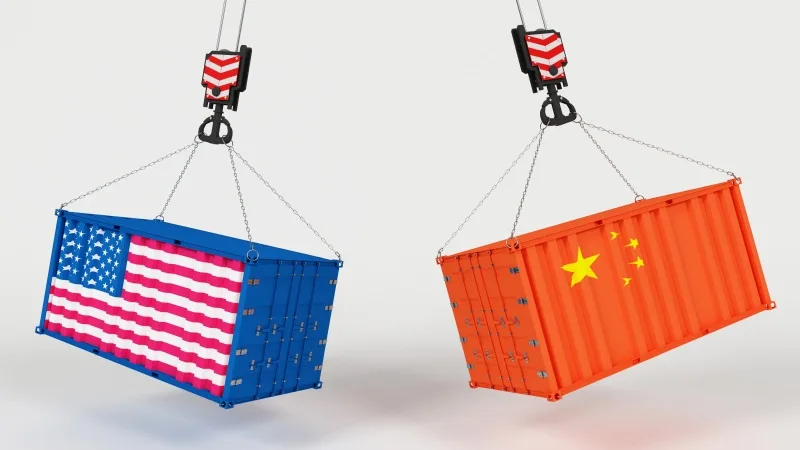
In a recent discussion between former U.S. President Donald Trump and Chinese President Xi Jinping, both leaders addressed the increasing need to regulate the deployment of highly advanced artificial intelligence technologies. The conversation also touched on the complexities surrounding the supply of Nvidia’s H200 AI chips to China.
According to Trump, the two leaders explored potential cooperative efforts aimed at imposing restrictions on the use of artificial intelligence systems considered to be excessively powerful or potentially risky. This exchange reflects growing global attention to the ethical and security implications of cutting-edge AI development.
A notable point during these discussions was the issue of Nvidia’s H200 chip deliveries, which have reportedly been impeded. The H200 is Nvidia’s latest advanced AI processor designed to accelerate machine learning workloads. However, despite initial expectations, the supply of these chips to China has not been authorized. Trump indicated that Chinese authorities have deliberately chosen not to proceed with acquiring the H200 processors, opting instead to focus on developing their own indigenous semiconductor technology.
This stance aligns with China’s broader strategic push to foster self-reliance in critical technology sectors amid increasing geopolitical tensions and trade restrictions. Domestic chip development initiatives have become a top priority for Beijing, particularly in AI and high-performance computing hardware.
While Trump’s remarks highlight the ongoing conversations between U.S. and Chinese leadership on AI governance and semiconductor trade, further details about the outcomes or future plans remain scarce. Neither side has provided comprehensive information on policy measures or timelines for cooperation on AI safety standards or chip exports.
The dialogue underscores the complex interplay between technological innovation, geopolitical strategy, and regulatory frameworks. As artificial intelligence continues to advance rapidly, international collaboration or competition over responsible development and supply chain control will likely intensify, shaping the future landscape of global technology leadership.
Donald Trump and Xi Jinping held talks on AI usage limits and the stalled supply of Nvidia’s H200 chips amid China’s preference for domestic solutions.