App Store Sees Surge in New Apps Amid Growth of No-Code Platforms in Early 2026
July 21, 2026
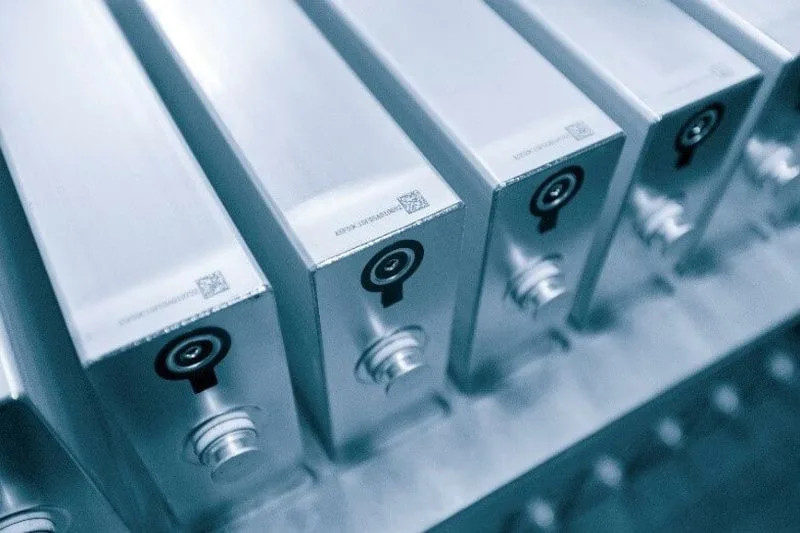
In recent years, under the Biden administration, the United States aimed to accelerate the electrification of its automotive fleet, sparking investments in manufacturing plants specialized in producing traction batteries for electric vehicles (EVs). However, a significant shift is now underway as many of these facilities are repurposing their production lines to meet the growing demand for stationary energy storage solutions used by data centers.
While expectations initially centered on rapid growth in EV adoption to drive demand for traction batteries, the anticipated surge has not materialized as swiftly or broadly as projected. This has prompted manufacturers to explore alternative markets where battery technology can be leveraged effectively. Data centers, which require vast amounts of reliable, uninterrupted power to maintain operations, have emerged as a key sector adopting large-scale energy storage technology.
Battery plants across the country are increasingly redirecting their capabilities to produce stationary energy storage systems tailored for data center applications. These systems provide critical backup power, help balance electricity loads, and support sustainability goals by enabling integration with renewable energy sources like solar and wind.
The transition reflects broader trends within the energy and technology landscapes, where the demand for reliable, scalable power solutions outside of the automotive sector is climbing. As data centers expand their footprint and computing demands intensify, stable and efficient energy storage infrastructure becomes crucial to ensure continuous service and cost-effective operations.
This shift in manufacturing strategy also aligns with the evolving priorities in clean energy investments and the diversification of battery usage beyond electric transportation. Stationary battery systems offer potential advantages such as longer lifecycle usage and simplified installation when compared to vehicular batteries, making them an attractive option for data centers and other commercial or industrial facilities.
Although the initial plan to heavily scale electric vehicle battery production has encountered challenges, the repurposing of these production capabilities underscores the adaptability of the battery industry in the U.S. It highlights the growing recognition of data centers as a prominent market for advanced energy storage technologies alongside the ongoing development of the EV sector.
Details regarding the scope of this transition, production volumes, and specific company strategies remain limited, but the overarching direction signals a notable realignment in American battery manufacturing. The focus on stationary energy storage could influence supply chains, infrastructure investment, and technology innovation within the country’s broader energy and tech sectors moving forward.
Battery manufacturing facilities in the U.S. are transitioning from electric vehicle production to supplying energy storage systems for data centers.