Huawei Announces Upcoming Price Increase for Its Devices Starting July 2026
June 11, 2026
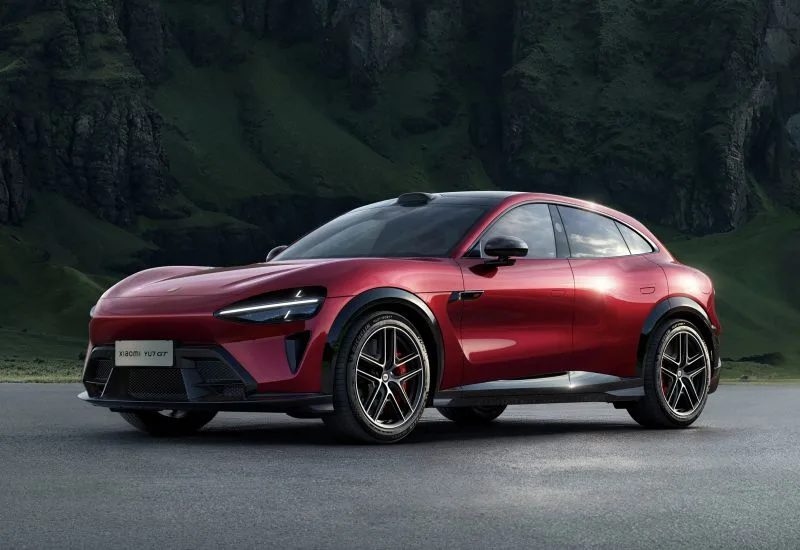
Chinese technology firm Xiaomi, traditionally known for its electric vehicle (EV) lineup, has received official authorization to manufacture hybrid electric vehicles featuring internal combustion engine (ICE) range extenders. This development marks a strategic expansion of Xiaomi’s automotive endeavors beyond its earlier all-electric models.
Until now, Xiaomi’s automotive production had been focused solely on purely electric vehicles, with models designated as SU7 and YU7 offered in various configurations. These cars represent the company’s initial foray into the highly competitive EV market, primarily targeting the domestic Chinese audience.
Recent regulatory approvals from Chinese authorities now permit Xiaomi to engineer and produce vehicles that integrate an ICE-powered range extender. In China, such vehicles are often classified as extended-range electric vehicles or hybrid models, providing an alternative solution to range anxiety associated with purely battery-powered EVs.
These new hybrid vehicles will be manufactured at Xiaomi’s existing Beijing production sites, underscoring the company’s commitment to expanding its automotive footprint within the country. While Xiaomi’s early models were strictly battery electric vehicles, the shift toward hybrid technology illustrates a responsiveness to market demands and regulatory environments that favor diversified powertrain options.
The introduction of extended-range systems, combining electric motors with small internal combustion engines functioning primarily as generators, could enable Xiaomi to appeal to consumers seeking longer driving ranges without reliance solely on battery capacity. This approach can also facilitate quicker refueling options compared to pure EV charging processes.
Although specific details regarding the hybrid models’ specifications, pricing, or market launch timeline remain undisclosed, industry observers view Xiaomi’s move as a significant step in its evolution from a tech-centric EV manufacturer to a more versatile automaker. By embracing hybrid technology alongside its all-electric offerings, Xiaomi aligns itself with a broader trend within the automotive sector, where manufacturers balance electrification with real-world usability.
The regulatory nod affirms Xiaomi’s readiness to diversify its vehicle portfolio and enhance its competitiveness within China’s rapidly developing new energy vehicle (NEV) market. As government incentives and environmental policies continue to shape automotive innovation, companies like Xiaomi are exploring various powertrain architectures to satisfy a range of consumer preferences and infrastructure constraints.
Going forward, the company’s experience in producing electric vehicles combined with its newfound capacity to integrate ICE-based range extenders could position Xiaomi to introduce a distinctive lineup that bridges the gap between traditional hybrids and fully electric vehicles. This development may also influence Xiaomi’s strategic direction in international markets, pending further product rollout announcements.
Xiaomi secures regulatory approval in China to produce hybrid electric vehicles with internal combustion range extenders at its Beijing facilities.