James Webb Telescope Sheds Light on Atmosphere of a Planet Orbiting a Dead Star
July 11, 2026
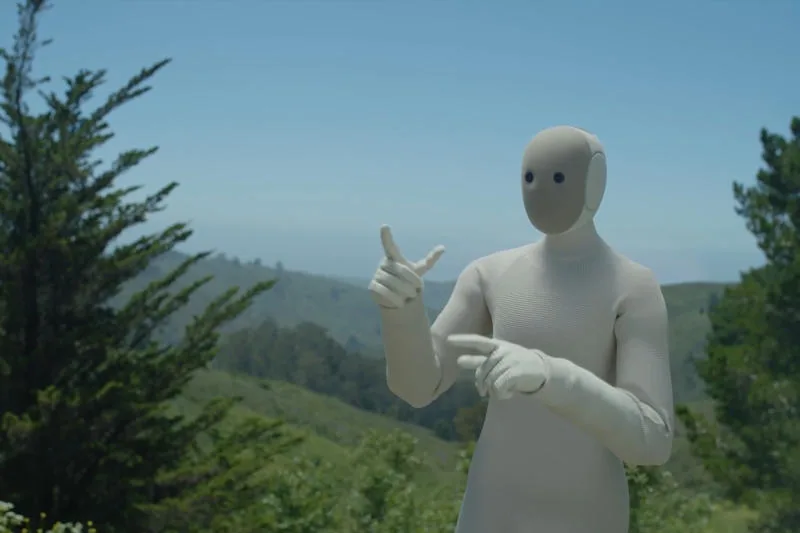
1X, a robotics company based in Norway and the United States, has released new information about the capabilities of its Neo humanoid robot’s hands. These five-fingered appendages are engineered to closely replicate the movements of human tendons, resulting in an impressive range of dexterity.
The human hand typically operates with 27 degrees of freedom, enabling intricate and precise manipulation of objects. Neo’s hands come equipped with 25 degrees of freedom, making them nearly as flexible as their human counterparts. This design allows the robot to perform complex finger movements at remarkable speeds.
The design approach taken by 1X focuses on mimicking the biomechanical functions of human hands, specifically replicating tendon dynamics rather than simply copying joint structures. This creates a more natural and versatile motion pattern, which is critical for tasks that demand rapid and precise finger control.
By integrating advanced robotics and artificial intelligence, Neo’s hands can potentially enhance the robot’s ability to interact with its environment in a human-like manner. The fast and fluid finger movements pave the way for applications ranging from delicate object handling to sophisticated machine-human collaboration.
While 1X has provided technical insights into the hands’ construction and capabilities, details regarding the full robot’s functions, availability, and pricing remain undisclosed. The development represents a significant step forward in human-robot interaction technology, emphasizing dexterity that approaches human-like performance.
The Neo humanoid robot’s hands exemplify how innovations in robotic limb design are continuing to close the gap between human and machine movement, with potential implications across industries such as manufacturing, healthcare, and service robots.
1X introduces Neo’s lifelike five-fingered hands, featuring 25 degrees of freedom for remarkably fast and human-like finger movements.