NASA and SpaceX to Equip Artemis III Orion with Starlink Laser Terminals
July 21, 2026
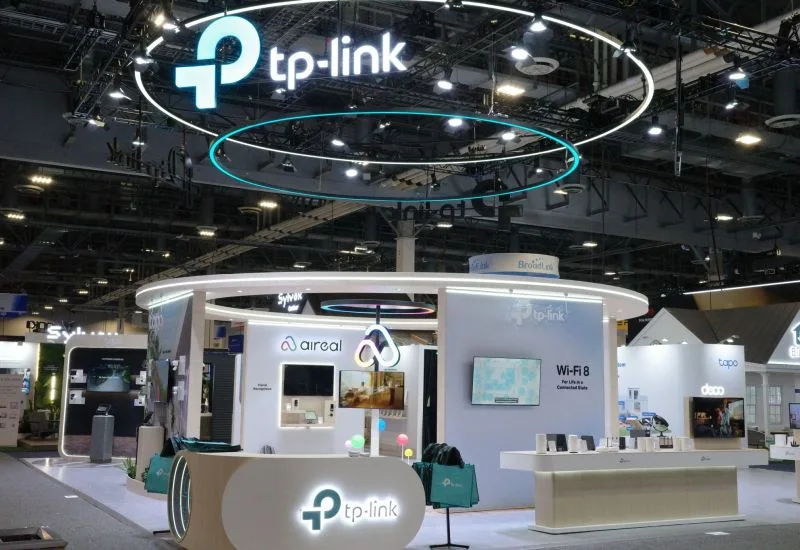
In late 2025, the United States government began examining the possibility of restricting the import of telecommunications and networking equipment manufactured by TP-Link, a significant player in the global consumer and business networking industry. The move was driven by concerns tied to national security, reflecting the continuing scrutiny of technology imports linked to Chinese firms.
TP-Link, a well-known provider of routers, switches, and related networking hardware utilized across homes and enterprises worldwide, found itself in the center of regulatory attention due to its origins and supply chain affiliations. Initial reports indicated an impending ban that would have restricted the entry of TP-Link products into the US market.
However, TP-Link undertook a strategic organizational adjustment by separating its business into distinct Chinese and American divisions. This separation aimed to mitigate the security concerns cited by US authorities by isolating sensitive operations and supply chains connected to the Chinese entity from those managed within the United States.
This restructuring appears to have played a significant role in alleviating immediate government pressure. US regulatory bodies have decided not to rush into enforcing an import ban on TP-Link equipment, opting instead for a more measured approach to the matter.
The decision to delay the prohibition reflects a cautious stance, allowing further assessment of how the corporate split impacts security risks. It also suggests an openness by regulators to consider how structural changes within companies may address national security issues without abrupt disruptions to market supply or technology access.
While TP-Link remains under scrutiny, the postponement of a formal ban provides the company with additional time to demonstrate compliance with US requirements and potentially continue its presence in the crucial American market.
Details regarding the long-term status of TP-Link’s import permissions remain unclear, and stakeholders across the technology and telecommunications sectors are closely monitoring the evolving regulatory environment. The situation underscores wider tensions around technology trade and security concerns that continue to influence international market dynamics.
US officials have postponed plans to ban TP-Link imports after the company split its operations between Chinese and American entities.