Honor Launches X7e Smartphone in Russia Featuring 7200mAh Battery and AI Shortcut Button
July 21, 2026

The automotive sector is facing increasing pressure from a shortage of memory chips, a problem exacerbated by the rising demand for artificial intelligence (AI) technologies. Ford Motor Company has flagged concerns that this shortage could push vehicle prices higher in the near future.
According to Sherry House, Chief Financial Officer at Ford, the reallocation of manufacturing resources towards memory chips tailored for AI applications is beginning to have significant effects on automotive production. As AI systems gain complexity and become standard in new vehicles, the semiconductor industry is shifting focus, straining the supply of essential components used in cars.
This imbalance has led to shortages in memory chips that play a crucial role in automotive electronics, including in infotainment systems, advanced driver-assistance systems (ADAS), and other onboard computing units. The re-prioritization of chip fabrication capacity to serve AI computing requirements has consequently disrupted the supply chain for automakers.
Ford’s financial leadership highlights this development as a key factor contributing to increased manufacturing costs, lessons that could extend across the broader automotive market. While specific pricing adjustments have not been disclosed, industry watchers anticipate that these supply challenges will translate into higher costs for consumers.
The chip shortage faced by the automotive industry is a continuation of the broader semiconductor scarcity issues witnessed over the past several years. However, this new wave of shortages differs due to its direct association with the booming AI hardware market, which is demanding more sophisticated and larger quantities of memory chips.
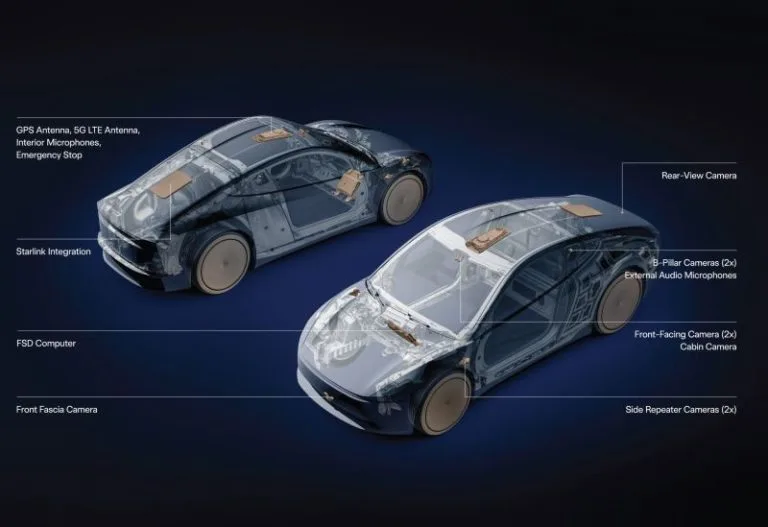
Automakers are increasingly integrating AI-driven technologies into vehicles, such as enhanced virtual assistants, autonomous driving features, and real-time data processing capabilities. These advancements contribute to a substantial rise in the quantity and complexity of required semiconductors per vehicle, intensifying the competition for memory chipset resources.
In response, manufacturers are exploring diversification of their supply chains and investments in custom automotive chip development to mitigate future risks. The situation underscores the intricate relationship between technological innovation in AI and the traditional automotive supply ecosystem.
While some relief may come as semiconductor manufacturers ramp up production or innovate alternative solutions, the immediate outlook for the automotive market includes continued cost pressures. This serves as a reminder of how evolving technology trends can reverberate across industries, affecting product pricing and availability.
As the AI revolution continues reshaping multiple sectors, the automotive industry’s challenges highlight the importance of strategic planning and collaboration between carmakers and chip suppliers. Ford’s recent warning reflects the broader implications of these intersecting trends and sets a precedent for other manufacturers monitoring similar supply dynamics.
Ford warns of higher car prices as memory chip shortages, driven by AI demand, disrupt automotive production capacities.