Popular PC Components in Russia Highlight Nvidia RTX 50 Series and 1TB NVMe SSDs
July 21, 2026
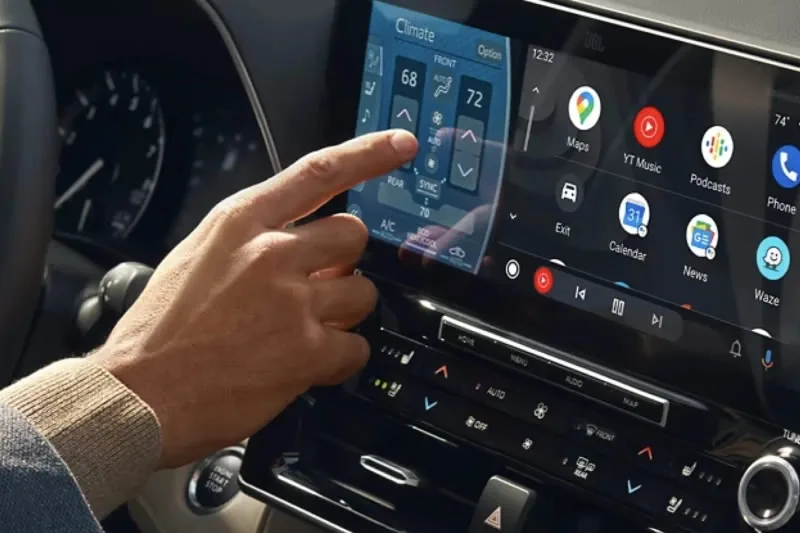
Toyota is moving toward a transformative change in vehicle safety by proposing to limit drivers’ ability to disable active safety systems. This shift is part of the automaker’s broader strategy aimed at achieving zero traffic accidents through enhanced electronic control and oversight.
Currently, many vehicles allow drivers to deactivate various safety technologies such as automatic emergency braking, lane-keeping assistance, and other driver-assist features. Toyota envisions a future where the vehicle’s electronic systems continuously monitor driving conditions and intervene as necessary, offering human control only in very specific, exceptional cases.
The rationale behind this approach ties into Toyota’s ambitious safety goals. By limiting the capacity of the driver to disable safety functions, the company hopes to minimize human error—the leading cause of traffic accidents. The autonomous systems will maintain constant situational awareness, reacting faster and more accurately than human drivers in many scenarios to prevent collisions.
This approach signals a significant evolution in the role drivers play behind the wheel. Instead of the driver having the final say on whether safety features are active, the vehicle’s electronic control units will govern these systems with the aim of creating a near-zero accident environment. Toyota anticipates that such intervention will be necessary to achieve substantial reductions in accident rates, as some drivers might otherwise opt to turn off safety features due to perceived inconvenience or false alarms.
The concept is expected to influence the broader automotive industry. If Toyota’s strategy proves effective, it could prompt other manufacturers to adopt similar methods for controlling safety system engagement, potentially setting a new standard in vehicle safety regulations and design.
As automotive technology continues to evolve toward higher levels of autonomy, the interplay between human control and machine authority remains a critical area of development. Toyota’s plan underscores the increasing trust automakers place in intelligent systems to not only assist but sometimes override driver actions in pursuit of safer roads.
Specific details regarding the implementation timeline, the scope of driver intervention exceptions, and how these systems will balance automated control with driver preferences have not been fully disclosed. However, the direction indicates an industry trend where human drivers will gradually cede more control to sophisticated safety technologies.
Such changes highlight the ongoing integration of artificial intelligence and advanced electronics in new vehicle models, fundamentally reshaping the driving experience in favor of safety maximization.
Toyota aims to prevent drivers from turning off safety features, using electronics to maintain control and reduce accidents.