Memory Chip Makers Face Potential DRAM Oversupply by 2028 Amid Massive Capacity Expansions
July 20, 2026
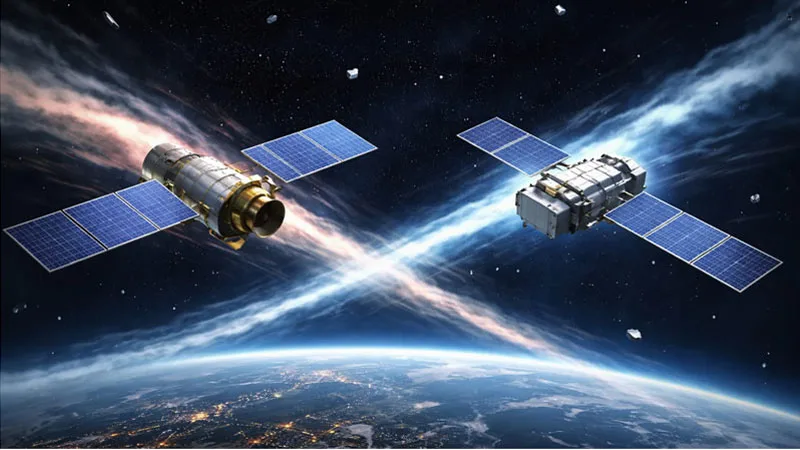
As satellite constellations proliferate in low Earth orbit, the potential for accidental collisions poses significant risks to space operations globally. To address this growing concern, SpaceX has developed a satellite monitoring system designed to improve orbital safety and mitigate the chance of collisions.
The rapid expansion of commercial and governmental satellite networks has intensified the challenge of coordinating thousands of objects moving at high velocities around Earth. Traditionally, many countries and space agencies have been reluctant to share detailed information about satellite trajectories due to security and proprietary reasons. This opacity fosters uncertainty in conjunction assessments and complicates efforts to prevent catastrophic orbital incidents.
SpaceX’s new initiative aims to break down these barriers by offering an open platform for satellite tracking data. The system aggregates and shares real-time orbital information, enabling more accurate collision prediction and enhanced situational awareness among satellite operators. Although the platform is free for all users, access requires compliance with specific terms to ensure responsible usage and data integrity.
By making this data openly accessible, SpaceX hopes to foster broader cooperation within the space community and encourage other operators to contribute their tracking information. This effort could significantly reduce the likelihood of space debris creation resulting from satellite collisions and contribute to sustaining a safe orbital environment for both existing and future spacecraft.
As more satellites take to low Earth orbit to support communication, earth observation, and scientific research, tools like this monitoring system become increasingly vital. Transparent data sharing not only aids operational safety but also supports long-term space sustainability efforts.
SpaceX’s move reflects a cautious yet proactive approach to the complexities of orbital traffic management. While mandatory global data sharing remains a challenge due to geopolitical and security concerns, open platforms could serve as a practical step forward in minimizing risks and promoting responsible behavior in space.
Further details about the system’s technical features and user requirements were not disclosed. The broader impact of this initiative will depend largely on adoption by other satellite operators and continuous collaboration across the space industry.
SpaceX introduces a free satellite tracking platform aimed at reducing collision risks in increasingly crowded low Earth orbit.