Oracle’s Debt Challenges Threaten AI Data Center Project for OpenAI
July 21, 2026
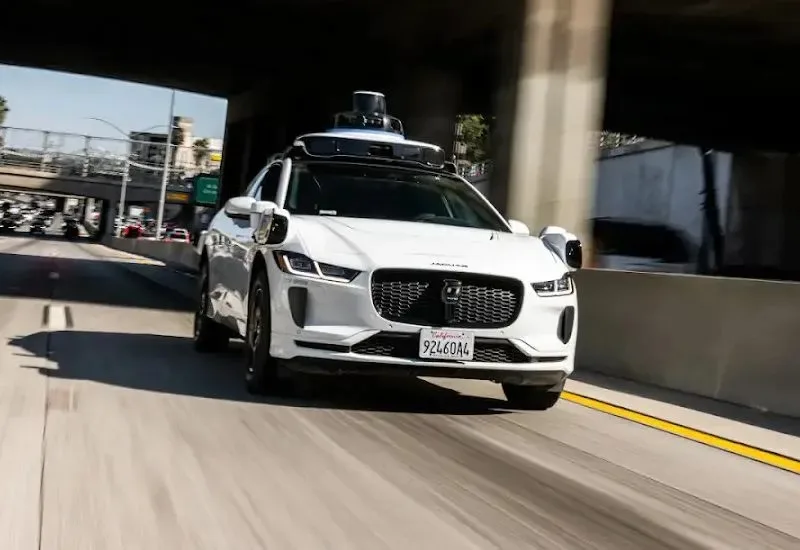
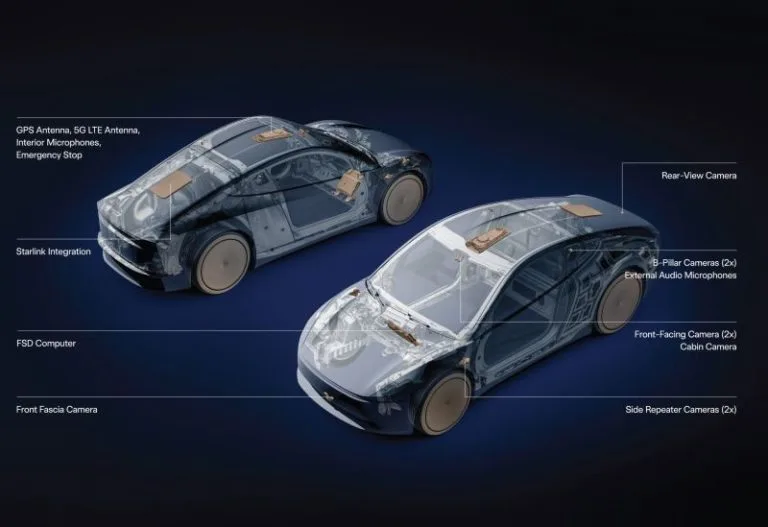
Automakers are making steady progress in developing vehicle technologies that permit drivers to divert their attention from the road for extended periods. These systems envision scenarios where motorists can engage in activities such as texting on their smartphones or working on laptops while the vehicle maintains control.
The emerging technology aims to allow drivers not to monitor road conditions continuously but rely on the automated system to issue warnings when driver intervention becomes necessary. This transition from assisted driving toward highly autonomous vehicles represents a critical step in the broader goal of fully self-driving cars.
This advancement, however, intensifies ongoing discussions around safety and accountability. Allowing drivers to disengage from active monitoring inherently raises complex questions about the limits of technology and the readiness of vehicles to handle unpredictable road scenarios without human input.
Moreover, the shift places increasing emphasis on clearly defining responsibility in cases where accidents or failures occur. The interplay between driver behavior, automated system performance, and regulatory frameworks is expected to become a focal point in shaping legal standards and safety protocols.
Industry stakeholders, safety experts, and policymakers will need to collaborate closely to address these challenges as such technologies move closer to mainstream adoption. The balance between harnessing innovative driving aids and ensuring public safety remains critical as the automotive sector evolves toward higher levels of automation.
Automakers advance toward driver distraction-allowing systems, prompting new debates on safety protocols and legal responsibility.