
Thermalright Introduces Royal Pretor 130 Vision Cooler with Integrated 3.95-Inch Color Display
July 21, 2026
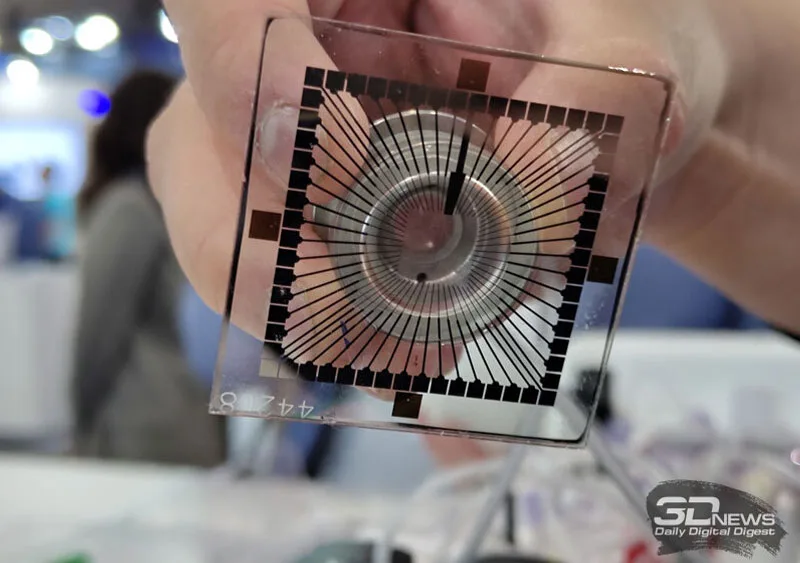
An Australian company has made a significant stride in merging biological systems with computing through the development of a brain-on-a-chip device capable of playing the classic video game DOOM. This pioneering effort combines living human neurons with advanced microelectrode technology to create a compact, functioning neural computer.
The device, known as the CL1, was introduced about a year ago by Cortical Labs. The system hosts roughly 200,000 living human neurons cultivated directly onto a microelectrode array with micron-level precision. These neural cultures receive continuous nourishment and oxygen through an integrated support system that ensures their survival and functional activity.
In a recent experiment, these living neuronal networks were tasked with playing DOOM, a seminal first-person shooter game. While the neural brain-on-a-chip did not demonstrate polished gameplay skills, it engaged with the game autonomously without human input, marking a novel achievement in real-time interaction between biological neural tissue and digital environments.
This breakthrough underscores the potential of biohybrid systems to process information in ways that diverge from traditional silicon-based computers. Unlike standard AI models programmed to play games, the CL1’s brain-inspired mechanism relies on living cellular structures, which could lead to future developments in adaptive learning, problem-solving, and human-machine interfaces.
The use of live neurons introduces complexities surrounding maintenance and stability, but the success of the CL1 highlights how neuroscience and technology can converge to create innovative platforms for research and application. Although it remains in an experimental phase, the capacity to operate interactive software like DOOM illustrates an intriguing proof of concept for biologically integrated computing.
This project points toward a future where biological elements may augment or even redefine computational capabilities, potentially impacting fields as diverse as robotics, artificial intelligence, and medical research. The progress made by Cortical Labs in cultivating and sustaining living neural networks on a micro-scale computing device offers a glimpse into the evolving landscape of hybrid bio-digital technologies.
A brain-on-a-chip with living human neurons successfully played DOOM, showcasing a new frontier in neuro-computing technology.