Tag: research
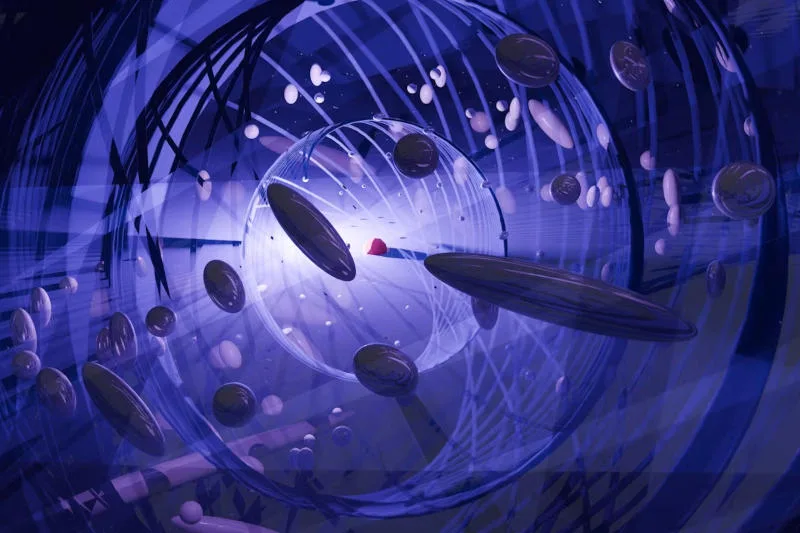
Researchers Achieve Synchronization of Over 105,000 Nanooscillators, Paving Way for Faster Computing Alternatives
Scientists synchronized more than 105,000 nanooscillators in under 50 nanoseconds, advancing spintronic computing beyond silicon transistors.
Read More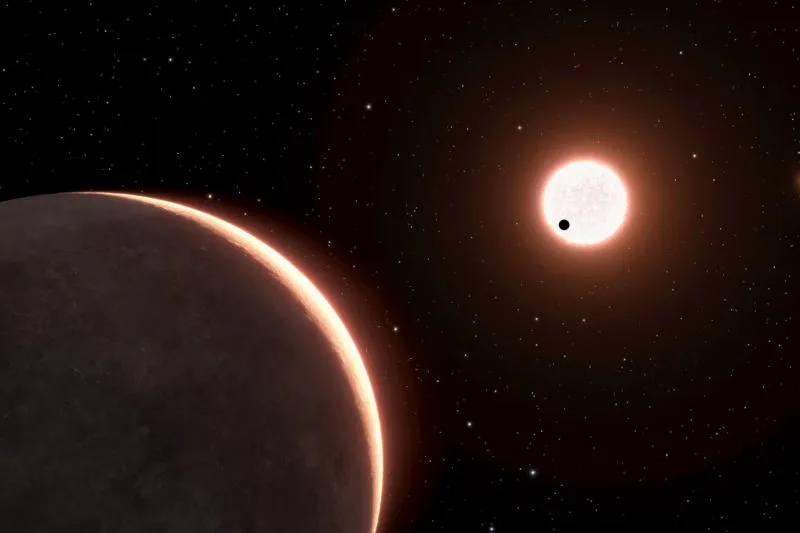
Scientists Detect Atmosphere on Rocky Exoplanet in Habitable Zone
Astronomers have identified an atmosphere on a rocky planet within its star’s habitable zone, marking a major step in the search for extraterrestrial life.
Read More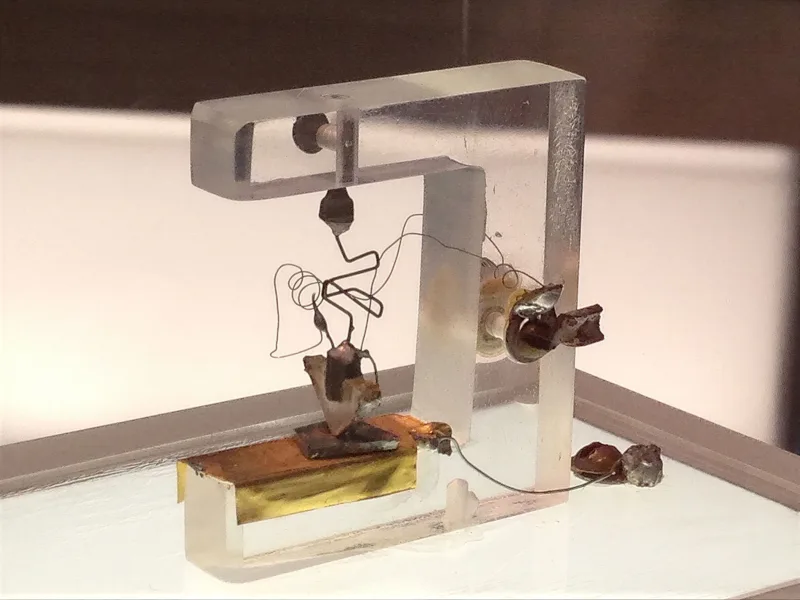
Exploring Spintronics: The Next Frontier in Data Processing
Spintronics leverages electron spin alongside charge, promising new approaches for data operations as traditional microelectronics near limits.
Read More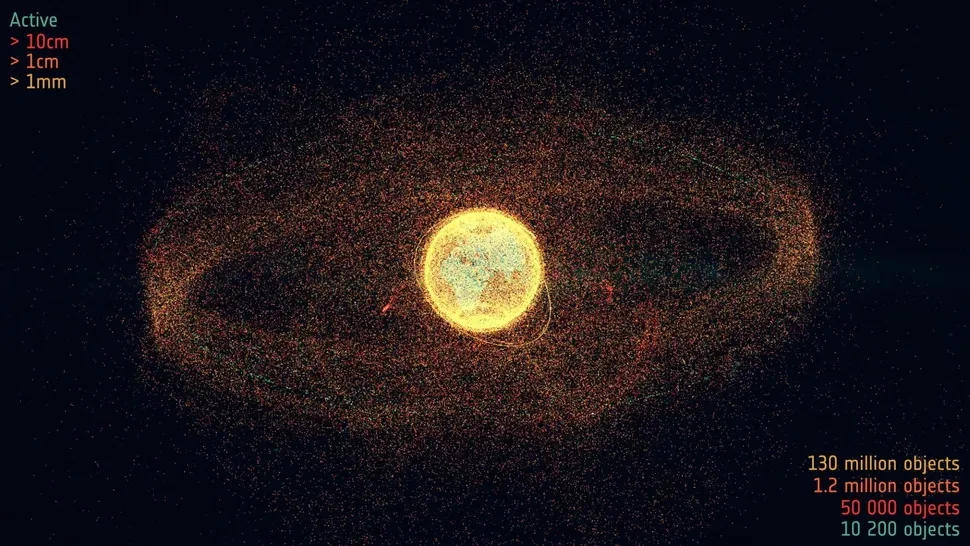
Space Debris Found in Geosynchronous Orbit Poses Risk to High-Value Satellites
Tiny fragments of space debris near geosynchronous orbit threaten expensive satellites vital to global communications and navigation.
Read More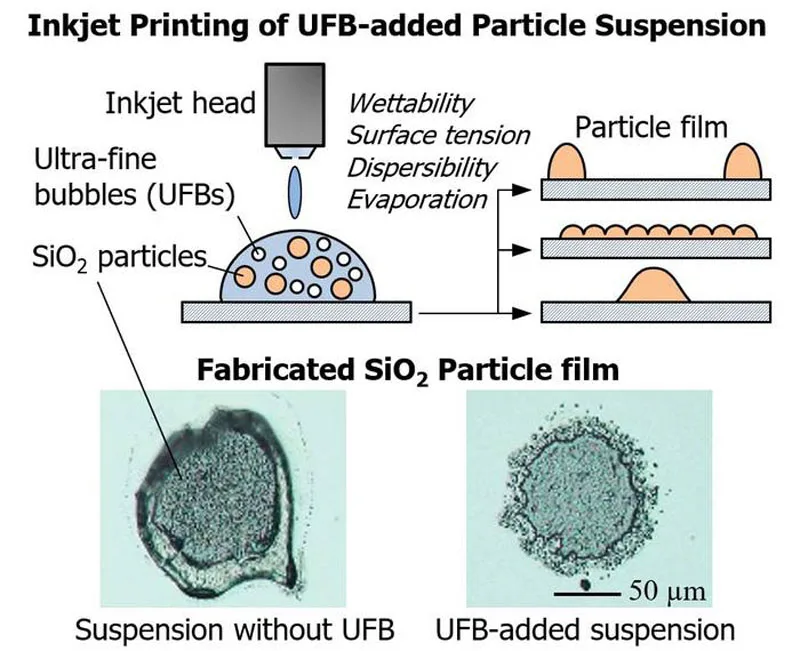
Tokyo Researchers Enhance Inkjet Printing of Electronic Circuits Inspired by Carbonated Drinks
Scientists at Tokyo Metropolitan University developed a method to improve inkjet-printed electronic circuits, drawing inspiration from carbonated beverages.
Read More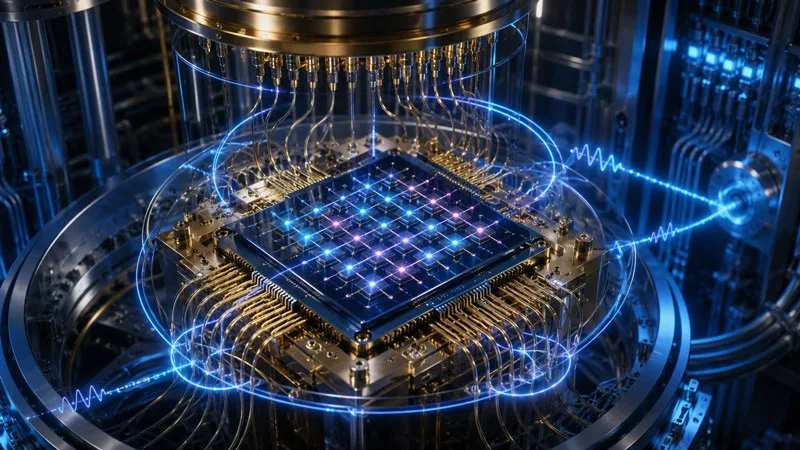
Google Develops Self-Adjusting Quantum Processor Enabling Continuous Calibration
Google’s new quantum processor technology adjusts parameters in real time, eliminating downtime for recalibration during computations.
Read More
Harvard Researchers Develop Silicon-Based DNA Printer for Medicine and Data Storage
Harvard scientists created a silicon chip printer that synthesizes many DNA molecules simultaneously, boosting eco-friendly data storage and research.
Read More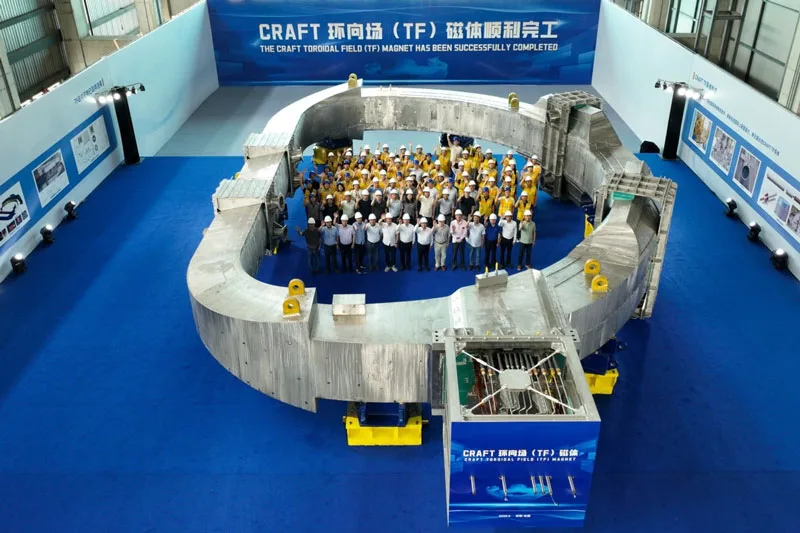
China Completes Tests on World’s Largest Superconducting Magnet for Fusion Reactor
Chinese engineers finalized testing of the world’s largest superconducting magnet for their fusion reactor under the CRAFT project.
Read More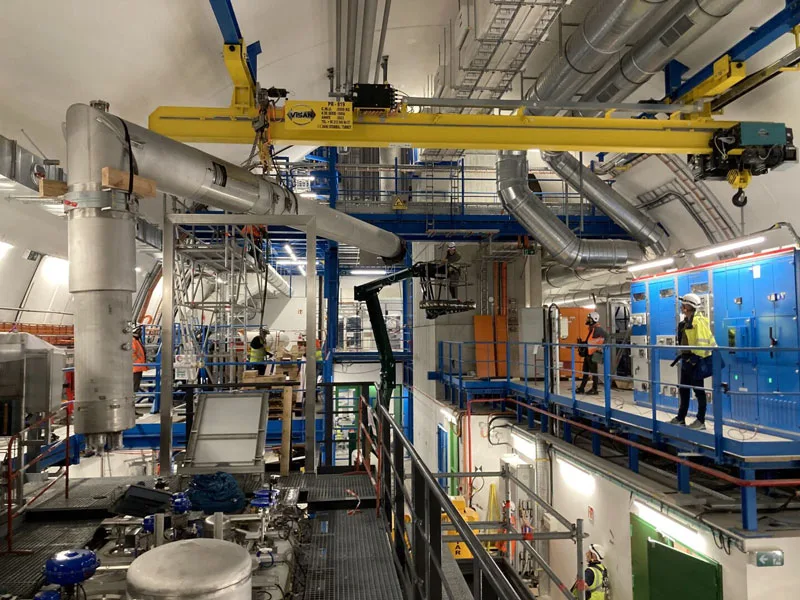
CERN Shuts Down Large Hadron Collider for Extensive Four-Year Upgrade
CERN halts the Large Hadron Collider for four years to perform its largest upgrade, transitioning to the High-Luminosity LHC by 2030.
Read More
Scientists Detect Physical Traces of Black Hole Event Horizon for the First Time
For the first time, researchers have identified physical evidence linked to a black hole’s event horizon beyond theoretical models.
Read More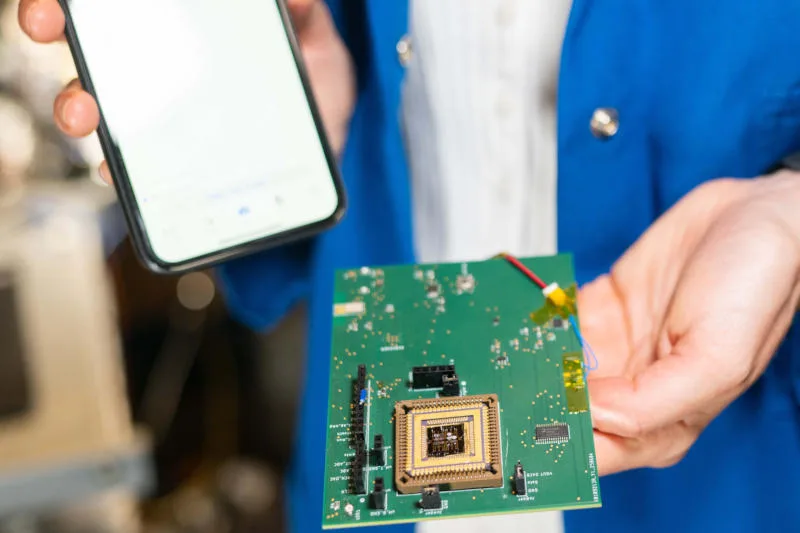
Researchers at UC Berkeley Develop Electronic Nose to Detect Hazardous Food Gases
UC Berkeley researchers created an electronic nose that senses gases from spoiled foods and allergens, outperforming the human nose.
Read MoreResearchers Question Microsoft’s Quantum Computing Approach Centered on Majorana Fermions
New doubts arise over Microsoft’s quantum computing technology based on Majorana fermions, challenging the timeline and feasibility of its quantum system.
Read More