Thermalright Introduces Royal Pretor 130 Vision Cooler with Integrated 3.95-Inch Color Display
July 21, 2026
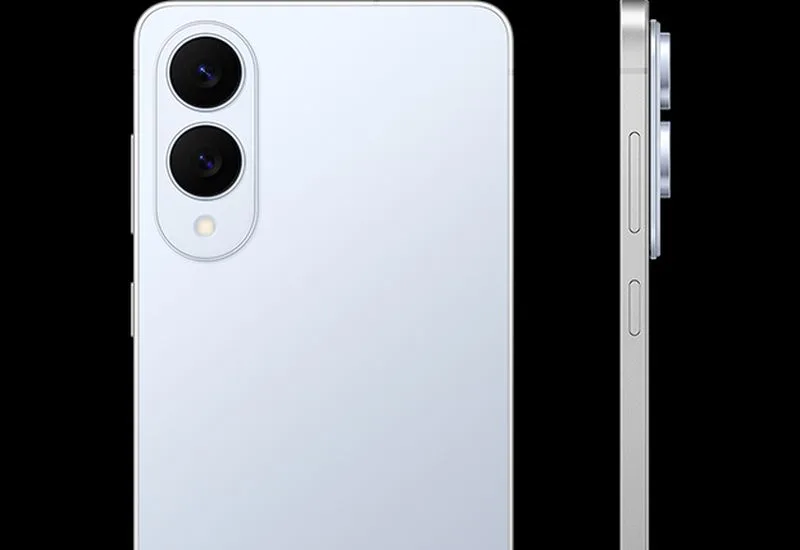
Samsung Electronics is reconsidering its commitment to ultra-thin smartphones following the lukewarm market reception of the Galaxy S25 Edge. Introduced in May of the previous year, the Galaxy S25 Edge represented the company’s ambitious push into ultra-thin device design, a category that has since seen fluctuating consumer interest.
Despite being early to market with its ultra-slim handset—well ahead of Apple’s recent unveiling of the iPhone Air in late 2025—Samsung found that demand for such form factors has not met expectations. The company’s internal sales data reveals a growing consensus that an additional ultra-thin flagship model may not align with current market desires.
The Galaxy S25 Edge’s sales performance has prompted Samsung to rethink its product strategy, particularly in the ultra-thin smartphone segment. While the appeal of sleek and lightweight devices remains for some consumers, broader market trends highlight a preference for other attributes, such as durability, battery longevity, and advanced features that might be compromised by minimizing device thickness.
Alongside this market recalibration, plans for Samsung’s next-generation foldable phone, the TriFold 2—expected to feature a three-panel design—have been temporarily shelved. The decision indicates a cautious approach, as Samsung evaluates how foldable smartphones fit within the new product landscape and consumer expectations.
The adjustment in Samsung’s approach aligns with a broader industry context in which smartphone manufacturers are experimenting with form factors that balance innovation, usability, and durability. Samsung’s experience with the Galaxy S25 Edge suggests that ultra-thin phones may no longer be the priority for a significant segment of users, especially as other features gain prominence.
Industry analysts observe that while Samsung remains a leader in foldable and flagship devices, the company could leverage these learnings to optimize future launches better tailored to consumer demands. The temporary pause on the TriFold 2 signals a strategic pause to refine technology and market readiness rather than an abandonment of foldables altogether.
As Samsung navigates evolving consumer preferences, its next moves will likely involve a more measured integration of design innovation, balancing aesthetics with functionality. This could result in a lineup that favors versatile and robust devices over ultra-slim profiles.
The market for smartphones continues to evolve rapidly, and Samsung’s recent decisions underscore the importance of aligning technological advances with concrete user interest and practical everyday usage. Observers will be watching how Samsung adapts its roadmap in the coming months to maintain competitiveness amid shifting trends.
Samsung is stepping back from ultra-thin smartphone designs after underwhelming sales of the Galaxy S25 Edge and delays with its TriFold 2 model.