Memory Chip Makers Face Potential DRAM Oversupply by 2028 Amid Massive Capacity Expansions
July 20, 2026

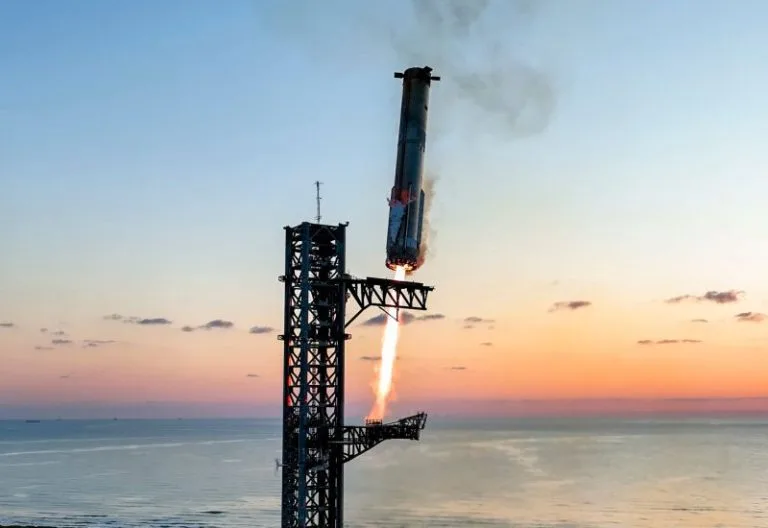
SpaceX is set to initiate regular launches of its Starship rocket vehicle by the middle of next year, a development that underscores the company’s growing commitment to space cargo delivery. The announcement came during the Mobile World Congress 2026, an event typically centered on mobile electronics but recently opened to technological advancements intersecting multiple industries.
The Starship launch system, an ambitious project spearheaded by Elon Musk’s SpaceX, is expected to become a mainstay for sending payloads into orbit starting mid-2026. This milestone marks a shift from the rocket’s previous state, moving from experimental and infrequent launches to establishing a dependable schedule for transporting goods beyond Earth.
SpaceX’s participation in a traditionally mobile technology-focused conference hints at the integration of aerospace advancements with other technology sectors, especially following the company’s recent acquisition of xAI, a startup founded by Musk himself. This acquisition is thought to position SpaceX uniquely at the convergence of aerospace engineering and artificial intelligence, potentially influencing how space missions are planned and executed in the future.
The Starship vehicle is designed to carry large payloads and eventually support crewed missions, but its initial routine use will be focused on the cargo segment. This regular cadence of launches could have profound effects on the space industry’s logistics, enabling more frequent and flexible delivery of satellites, research equipment, and other critical supplies to orbit.
While detailed parameters about the frequency, specific payloads, or destinations for these Starship missions were not disclosed, the move toward regular operations signals a maturing phase for the vehicle. It also reflects SpaceX’s broader goal of reducing launch costs and increasing accessibility to space across various commercial and governmental customers.
This transition to steady Starship deployment is highly anticipated by industry experts and stakeholders looking to capitalize on enhanced space cargo capabilities. As Starship prepares to enter this new operational stage, its impact on the global space ecosystem is poised to expand significantly.
Further updates on launch schedules, payload specifics, and mission objectives are expected as SpaceX approaches this critical timeline. Meanwhile, the company’s broader strategy, which now includes artificial intelligence ventures, positions it at an exciting crossroads of aerospace innovation and digital technology.
SpaceX plans to start routine cargo missions using its Starship rocket by mid-2026, marking a significant expansion in its space operations.