
Memory Chip Makers Face Potential DRAM Oversupply by 2028 Amid Massive Capacity Expansions
July 20, 2026
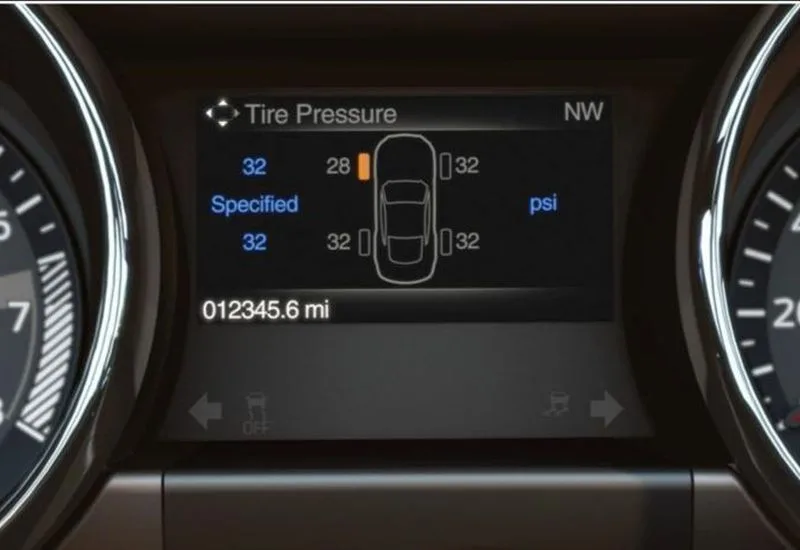
Modern vehicles increasingly integrate wireless systems to enhance driver experience and safety. Among these, tire pressure monitoring systems (TPMS) play a critical role by constantly reporting tire pressure data to onboard computers. However, recent findings reveal that these wireless sensors, intended as safety features, can inadvertently expose sensitive information about a vehicle’s movements.
Automakers have adopted various wireless protocols to transmit data from TPMS sensors, eliminating the need for physical connections. Unfortunately, this wireless nature opens the door to cyber threats. Researchers have demonstrated that malicious actors can intercept signals from tire pressure sensors to track the location and movement of vehicles without authorization.
These sensors regularly broadcast pressure readings to the vehicle’s receiver, and due to insufficient security safeguards in their communication protocols, attackers can exploit the signals to extract positional data. As a result, this creates a new vector for privacy invasion, where one’s travel routes and pattern of movement can be monitored remotely.
The ability to track a vehicle using TPMS becomes particularly concerning as these sensors are ubiquitous in modern cars, and owners may not be aware that such seemingly innocuous data leaks can occur. The risk extends beyond privacy violations to potential criminal activities where location data can be used for stalking, theft, or other malicious intentions.
Because TPMS were primarily designed to ensure tire safety rather than address cybersecurity, the current lack of encryption and authentication mechanisms in many implementations has created exploitable weaknesses. As vehicles become more connected and reliant on wireless components, the importance of securing these systems has significantly increased.
Industry experts highlight that addressing these vulnerabilities will require collaboration between automakers, component manufacturers, and cybersecurity specialists. Solutions may involve updating wireless communication standards for TPMS, implementing stronger encryption, and ensuring secure data handling practices throughout the system’s lifecycle.
While consumer awareness about vehicle cybersecurity is growing, the issue with tire pressure sensors represents a subtle yet impactful challenge. It underscores the broader need for continuous security assessment in automotive technology, balancing innovation with protection against emerging digital threats.
Further research is ongoing to develop practical countermeasures capable of preventing unauthorized access to TPMS data. Meanwhile, vehicle owners and fleet operators are advised to stay informed about security practices and consider professional consultations on automotive cybersecurity as part of their vehicle maintenance routines.
Wireless tire pressure sensors can leak vehicle location data, creating new security risks for drivers as hackers exploit these vulnerabilities.