Memory Chip Makers Face Potential DRAM Oversupply by 2028 Amid Massive Capacity Expansions
July 20, 2026
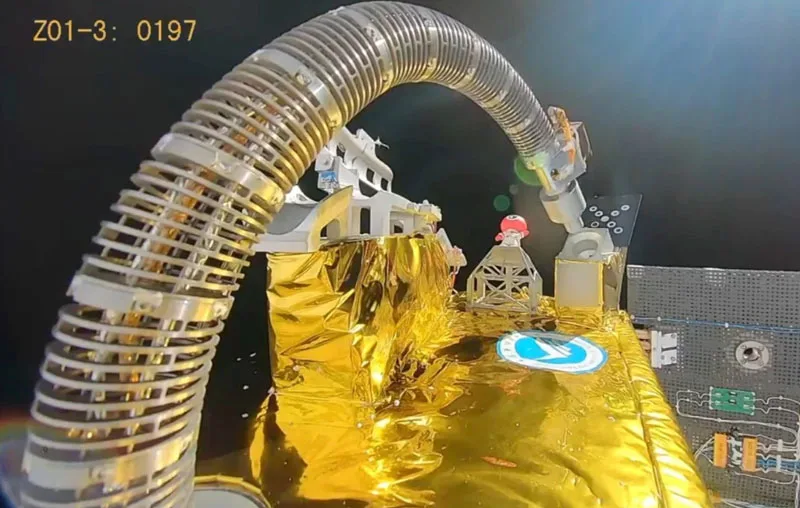
China has advanced its satellite servicing capabilities with the successful completion of an in-orbit refueling test conducted by its commercial satellite Hukeda-2. Launched recently from the Jiuquan Satellite Launch Center, Hukeda-2 reached a sun-synchronous orbit approximately 530 to 540 kilometers above Earth, where it performed a series of demonstrations designed to extend satellite mission lifespans.
The key feature of the Hukeda-2 satellite is a flexible robotic arm, described as a “trunk,” which was employed to simulate the refueling process. This complex robotic manipulator performed proximity maneuvers, moving toward the target and mimicking the docking and fuel transfer operations necessary for on-orbit servicing.
This mission represents a significant step toward commercial satellite refueling capabilities, an area that could transform satellite longevity and reduce the overall costs and environmental impacts of space operations. By refueling satellites on orbit, operators may avoid premature decommissioning and launch of replacements, enhancing sustainability in the crowded low Earth orbit environment.
The mission’s successful testing on a sun-synchronous orbit, which is commonly used by Earth observation satellites, highlights potential applications for extending the operational life of various satellite classes. While specific technical details and future plans were not disclosed, the Hukeda-2 demonstrates China’s growing expertise in autonomous rendezvous, proximity operations, and on-orbit servicing technology.
As global interest in satellite servicing intensifies, China’s progress with Hukeda-2 places it alongside other countries exploring advanced space logistics and maintenance capabilities that could shape future satellite infrastructure management.
China’s Hukeda-2 satellite successfully demonstrated an in-orbit refueling test using a robotic manipulator on a sun-synchronous orbit.