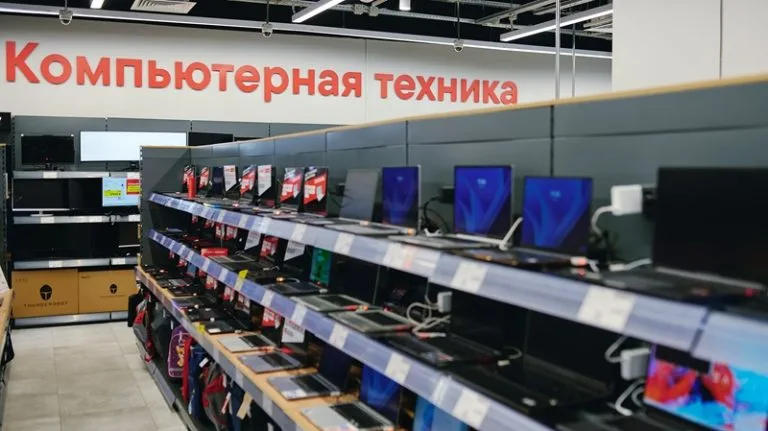
Popular PC Components in Russia Highlight Nvidia RTX 50 Series and 1TB NVMe SSDs
July 21, 2026
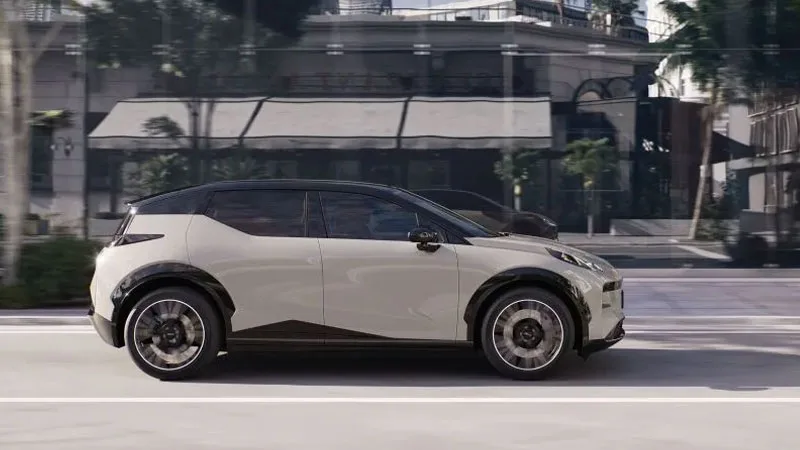
The Russian electric vehicle (EV) sector has started 2026 with measured but noticeable growth, hinting at significant expansion potential in the coming years. Recent data indicate that sales in the first two months of the year increased by approximately 25%, reaching around 1,600 units sold across the country.
Although the current scale of EV adoption in Russia remains relatively modest in absolute numbers, momentum is gradually building. Analysts suggest that this trend is likely to persist as more consumers and businesses recognize the broader value of electric vehicles beyond mere transportation, viewing EVs as integral components of a digital lifestyle.
The underlying driver behind this rise is the increasing digitalization of everyday life, which is expected to accelerate demand for vehicles equipped with advanced connectivity and smart capabilities. Electric cars, equipped with such technology, are positioned to benefit from this shift and secure greater market share.
Looking ahead, projections for Russia’s EV market indicate a substantial increase, with annual sales potentially reaching 100,000 vehicles by 2030. This forecast reflects optimistic expectations about regulatory shifts, infrastructure improvements, and technological advancements within the country’s automotive landscape.
The evolution of Russia’s EV market is part of a broader global movement toward sustainable and digitally integrated transportation solutions. While specific details about upcoming models, infrastructure developments, or government policies supporting this transition have yet to be fully disclosed, the growing sales figures point to an emerging interest among Russian consumers.
Industry observers note that the perception of electric vehicles as digital platforms rather than just modes of transport could be a key factor influencing their adoption. The integration of EVs with smart home systems, digital payment methods, and other connected services might create synergistic value that appeals to a digitally savvy consumer base.
Despite facing challenges such as limited charging infrastructure and economic factors, the Russian EV market’s early growth phase ties into the broader narrative of energy transition and technology-driven innovation. How quickly the market can scale depends on multiple factors including policy incentives, technological advancements, and consumer readiness to embrace electric mobility.
In summary, Russia’s electric vehicle market is poised for expansion as it navigates initial growth signals supported by increasing digitalization and evolving consumer expectations. Reaching an annual sales milestone of 100,000 units by 2030 would represent significant progress from current numbers and mark a notable shift in the country’s automotive sector.
Russia’s electric vehicle sales are rising steadily, with projections indicating up to 100,000 annual units sold by 2030.