Honor Launches X7e Smartphone in Russia Featuring 7200mAh Battery and AI Shortcut Button
July 21, 2026

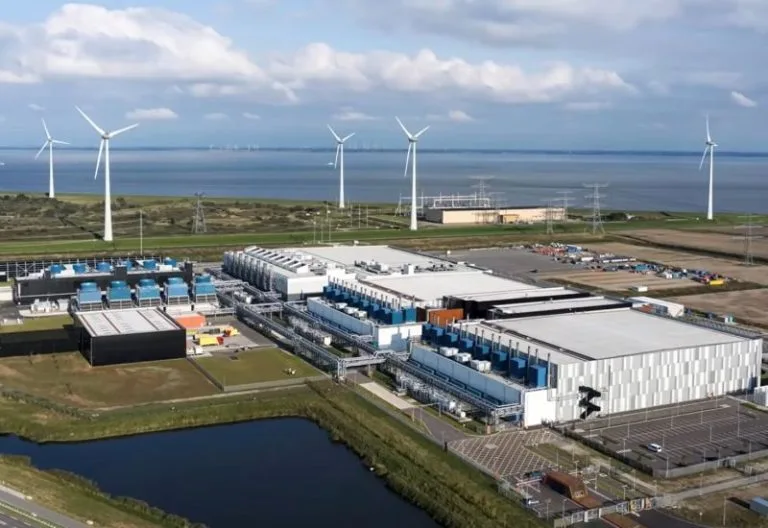
A recent study conducted by researchers at Cambridge University highlights the environmental effects of the rapid expansion of data centers supporting artificial intelligence (AI) technologies. As these facilities multiply in response to growing AI demand, their heat emissions are creating localized increases in ambient temperatures, known as heat islands, which could have meaningful consequences for nearby communities.
The investigation focused on large-scale data centers, which generate substantial amounts of heat due to their intensive computational workloads. The study indicates that these centers can elevate surrounding temperatures by several degrees Celsius within a radius extending as far as 10 kilometers. While this thermal impact remains geographically limited, it is significant enough to affect microclimates and potentially influence the daily lives of residents in adjacent urban and suburban areas.
This phenomenon emerges as a byproduct of the AI sector’s rapid growth, which has triggered a surge in the construction and operation of data centers worldwide. These facilities consume massive amounts of electrical power, much of which is converted into waste heat that must be dissipated to avoid overheating. Traditional cooling methods release this heat into the environment, thereby contributing to local temperature increases.
The researchers’ findings shed light on an often overlooked aspect of AI’s environmental footprint. While global climate discussions tend to emphasize emissions and energy consumption, the localized climatic effects of data center heat output present additional challenges. Heat islands caused by urban infrastructure are known to exacerbate human discomfort, increase energy demand for cooling, and have adverse effects on public health. The study signals that AI data centers could be an emerging contributor to these localized warming trends.
Addressing this issue will require advancements in data center design and cooling technologies to reduce environmental heat emissions. Innovative approaches such as using waste heat for district heating, improving energy efficiency, or deploying alternative cooling mechanisms could mitigate these localized temperature spikes. The study’s authors recommend that policymakers and industry leaders consider the thermal byproducts of AI infrastructure alongside other environmental impacts as the sector continues its rapid expansion.
While the overall contribution of data centers to global warming is still a subject of ongoing research, this study provides clear evidence that on a local scale, their operational heat can noticeably alter climate conditions. As AI integration deepens and the demand for computational power escalates, understanding and managing these effects will be crucial for sustainable development.
Research reveals that expanding AI data centers produce localized heat islands, raising temperatures by several degrees up to 10 km away.