Popular PC Components in Russia Highlight Nvidia RTX 50 Series and 1TB NVMe SSDs
July 21, 2026
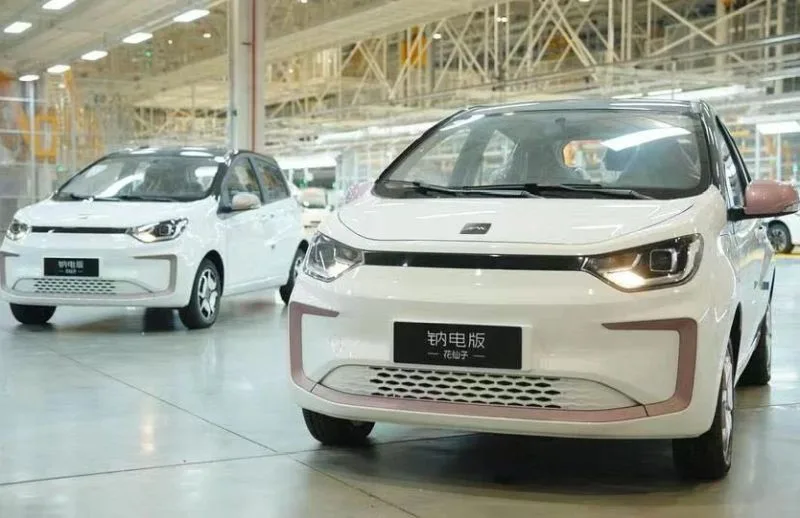
In the evolving landscape of electric vehicle (EV) technology, sodium-ion batteries are poised to make a significant impact in the automotive sector as early as next year. While lithium-ion batteries have long held the dominant position in powering electric vehicles, emerging advances in sodium-ion technology suggest a shift may be on the horizon.
The economics of battery production and scalability remain critical factors influencing the adoption and diffusion of energy storage solutions. Lithium-ion cells have benefited from entrenched manufacturing infrastructure and steady cost reductions over recent decades, which have largely cemented their market dominance.
However, Chinese battery manufacturer HiNa Battery Technology projects that sodium-ion batteries will soon achieve cost parity with their lithium-ion counterparts. This anticipated price alignment could unlock broader opportunities for sodium-ion batteries, especially in applications requiring mass production of traction batteries for the automotive market.
Sodium-ion batteries offer several intrinsic advantages, including the abundance and lower cost of sodium compared to lithium. This has potential to ease raw material constraints that affect lithium supply chains and pricing volatility. Consequently, sodium-ion technology may provide an attractive alternative for vehicle makers seeking cost-effective and sustainable battery options.
The expected shift comes amid increasing demands on battery makers to improve supply resilience and reduce reliance on scarce minerals. If sodium-ion batteries can compete on price without sacrificing performance and durability, their adoption in electric vehicles could accelerate, diversifying the battery ecosystem.
Currently, lithium-ion cells dominate due to established commercial viability and mature technology. But recent innovations in sodium-ion development suggest these batteries are closing the gap in terms of energy density and lifecycle capabilities, making them more competitive for automotive use.
While exact figures on performance and pricing were not disclosed, industry observers note the technology is advancing rapidly. Automotive manufacturers and suppliers will likely watch these developments closely as potential opportunities arise to incorporate sodium-ion cells in next-generation EV platforms.
In the broader context of sustainable transportation and energy storage, incorporating alternative battery chemistries like sodium-ion aligns with efforts to foster diverse, resilient supply chains. The coming years may see a more pluralistic approach to EV battery technology, driven by market forces and technological breakthroughs.
As sodium-ion batteries begin to enter more active use within the automotive industry, their evolution could shape future electric vehicle affordability, performance, and environmental impact. The anticipated cost convergence with lithium-ion cells marks an important milestone in this ongoing transition toward next-generation battery solutions.
Sodium-ion batteries are expected to reach cost parity with lithium-ion cells soon, boosting their use in electric vehicles.