NASA Releases Stunning Time-Lapse of Mars Captured by Psyche Spacecraft
July 20, 2026
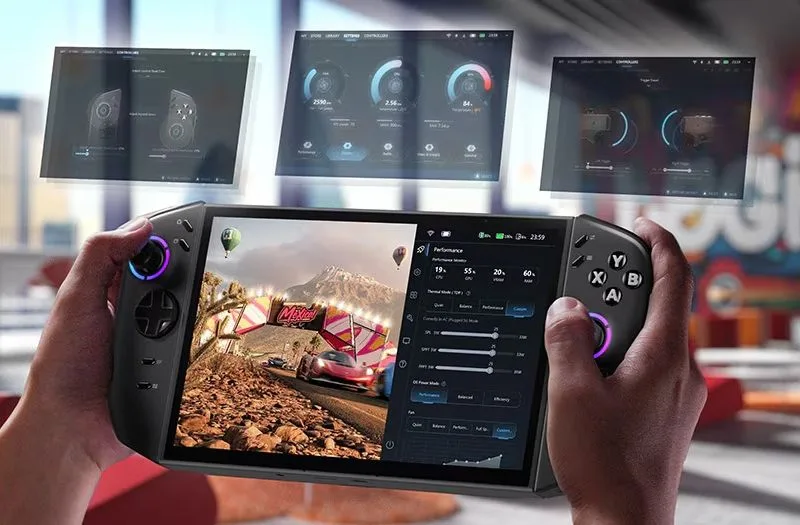
The market for portable gaming devices is currently experiencing upward price pressure, exemplified by the Lenovo Legion Go 2, which has undergone a substantial price increase. This adjustment stems primarily from a global shortage of memory components, a key factor influencing costs across the gaming hardware sector.
Earlier concerns about rising tariffs on gaming consoles surfaced during the lead-up to the launch of the Nintendo Switch 2 in the United States. Initial proposals to raise customs duties brought attention to potential price fluctuations in the market. However, while tariff discussions centered around policy, a more persistent and widespread challenge has emerged in the form of limited memory supply, which now plays a significant role in shaping consumer prices for gaming devices.
The Lenovo Legion Go 2, designed as a portable gaming console tailored to enthusiasts seeking performance on the go, finds itself subject to these broader industry conditions. The shortage of memory chips has led to increased production costs, which manufacturers are passing on to buyers. This environment has compelled Lenovo to adjust the pricing of the Legion Go 2 by a considerable margin.
Industry experts point out that memory, including both volatile and non-volatile types essential for gaming performance and storage capacity, has become a scarce commodity amid heightened demand and constrained semiconductor manufacturing capacities. The effects of this shortage ripple through the supply chain, impacting not only premium desktop and console products but also portable gaming solutions.
While specifics around the exact pricing shifts for the Legion Go 2 have not been widely publicized, reports indicate the price escalation approaches a 50% increase compared to earlier retail figures. This trend aligns with similar movements seen across other gaming consoles and related hardware platforms in the current market landscape.
The legacy of trade tensions, including tariff considerations from previous years, combined with evolving supply chain complexities, has exacerbated cost pressures. Nevertheless, it is the intensified competition for limited semiconductor resources, particularly memory components, that remains the pivotal driver behind these price changes.
Consumers and industry watchers are closely monitoring how these factors will influence upcoming product launches and the broader affordability of gaming technologies. As demand for high-performance mobile gaming solutions continues to grow, supply constraints and their impact on pricing are likely to remain key considerations for manufacturers and buyers alike.
In summary, the Lenovo Legion Go 2’s recent price increase highlights the ongoing challenges faced by gaming hardware producers amid a disrupted memory market. While this trend presents obstacles for consumers seeking new portable consoles, it also underscores the critical role that semiconductor supply dynamics play in shaping the technology landscape.
The Lenovo Legion Go 2 portable gaming console has seen a significant price rise due to a global memory supply shortage affecting the broader gaming market.