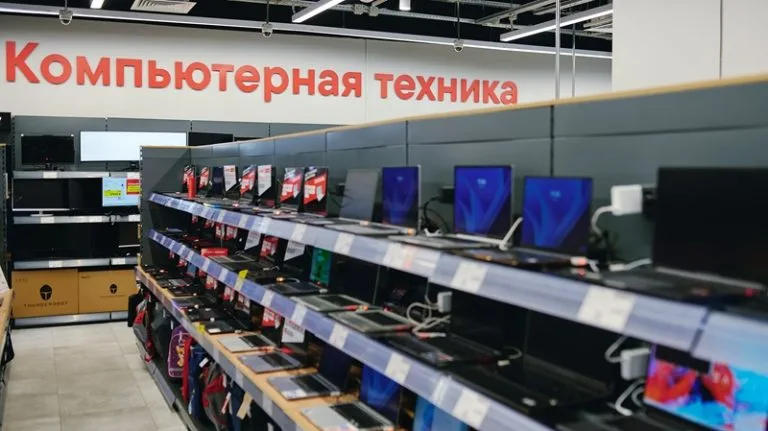
TrendForce Predicts Flash Memory Supply Shortage Will End in Late 2027
July 21, 2026

A recent study conducted by the Institute of Robotics Systems at the National Research University Higher School of Economics (HSE) highlights the potential for robot couriers to drastically reduce delivery expenses compared to traditional human couriers.
The research compares the cost of delivering a 3-kilogram package for a distance of 1 kilometer via human couriers versus robotic couriers. Findings indicate that human couriers incur a delivery cost of approximately 132 rubles per kilometer for such packages, whereas robot couriers can perform the same delivery at an estimated 23 rubles.
This substantial difference suggests that robot courier services could cut delivery costs by up to six times. The study underscores how automation in last-mile logistics might reshape the economics of package delivery, potentially leading to more affordable delivery options for consumers and businesses.
While the research focuses on a specific set of parameters, the implications extend to broader logistical frameworks, encouraging further exploration into robotics and artificial intelligence as viable solutions for urban and suburban delivery challenges.
Adoption of robot couriers could alleviate some of the operational costs and constraints associated with human labor, such as wages, working hours, and human error, thus presenting an opportunity for companies to optimize delivery networks.
However, the study does not detail additional factors like regulatory environments, infrastructure readiness, or consumer acceptance, which remain critical for widespread deployment of robotic delivery systems.
As e-commerce and on-demand delivery services continue to expand, integrating robotic couriers could represent a pivotal shift in logistics, balancing efficiency, cost, and scalability in a competitive market landscape.
A study reveals robot couriers may deliver packages up to six times cheaper than human couriers, suggesting significant cost savings in last-mile delivery.